
Free Action Games Online — Play 260+ Browser Action Games Instantly
Action

Stunt Car Crash 3D
Maritime Conflict

Paty Path

Space Aim Kids
Zombies Rush

Galaxy Blaster Defend the Galaxy
rooftop runner
Count Master Rush
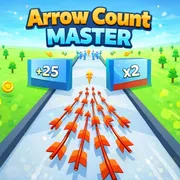
Arrow Count Master

Tank War Simulator Game

Snow Slider 3D
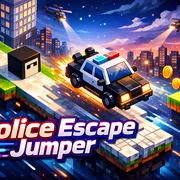
Police Escape Jumper
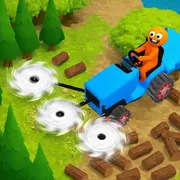
Crazy Lumberjack: Cut Them All

Crazy Fast Food Crash

Fly vs Giant
Knife Ring IO

Word Connect Train Brain
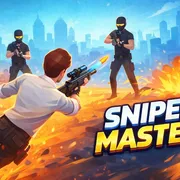
Sniper Master
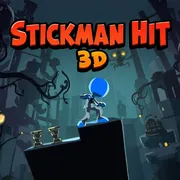
Stickman Hit 3D

Sumo Wrestling Battle
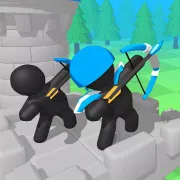
Merge Archer Defense

Missile Launch Master

Mob Control

Obby Prison: Craft Escape

Octonauts Bubbles

Parkour Block Xmas Special

Pig Ball Christmas

Pixel Combat Multiplayer

Real Football Challenge

Red Ball 4

Red Ball

RobyBox - Space Station Warehouse

Running Bot

Santa Claus Jumping

Santa Parkour

Slap & Run
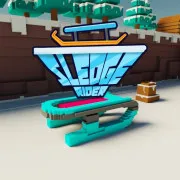
Sledge Rider

Slice It All
Snow Road
Spider Boy Run

Squid Escape

Stack Colors

Star Attack 3D

Stick Man Battle Fighting

Stick Ninja Survival

Stickman Leave Prison
Survivor In Rainbow Monster

Tank Stars Battle Arena
Trial Bike Racing Clash

Two Carts - Downhill

Winter Clash 3D
Wood Block Journey
Defence Wall
Crazy Sea Battle

Super Alien Rabbit

juicy crush saga

Fuse Fury

Deadly Zombie Virus

AIchessgame
Endless Space Pilot 2D
Throw Sword

Duck Dash Pro
Sugar Rush Tower

Bamboo Panda

CROCO JUGGLER
Jetspire

Endless Path: Twist & Turn
Terrifying Zombies: Tower Defense II
HydraSword

SkyFury
Toy Factory
Air Battles
Space Adventure Game
Stickman Army : Team Battle-3

Arrow Escape Puzzle

Wizzard Adventure

War Commander
Steel Advance

Battle For Kingdom

Bullet Man Master 3D
Object 73: Survival Clicker

Billy The Kid-2
Space Rover

Animal Boxing
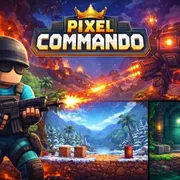
Pixel Commando

Shell Strikers 1

Dark Runner
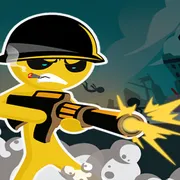
Stickman Army 2

Stickman Fighter Training
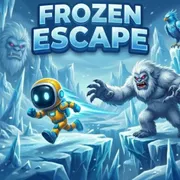
Frozen Escape
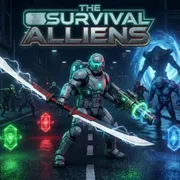
THE SURVIVAL ALLIENS

Cyber dash 2

Basket Ball For Two Player
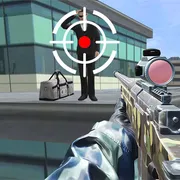
Gun Shooting Games Sniper 3D
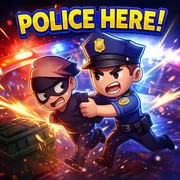
Police Here
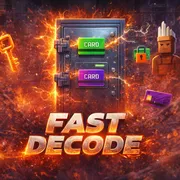
Fast Decode
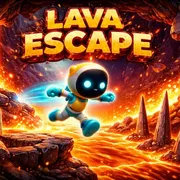
THE LAVA ESCAPE

CarRush

Reflex Shot
Squid Survival Run Challenge
Stickman Blast

Save The Princess 1
RPG Soldier Shooter

Crazy Neon Square Rush
Ricochet Arena
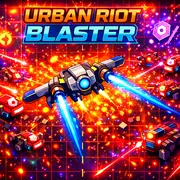
Urban Riot Blaster
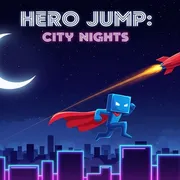
Hero Jump City Nights
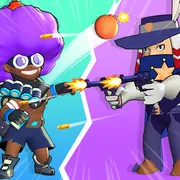
Brawl Stars Battle

Mexico Rex 2
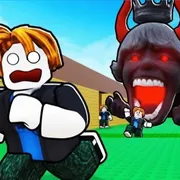
Dont get crashed by 67
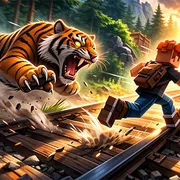
Running From A Hungry Tiger

Gliding over Dunes

SOCCER Simulator
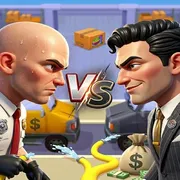
Hose Money Robber

Sausage Man
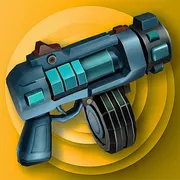
Guns vs Magic

Godzilla Runner Game
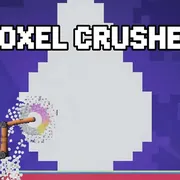
Voxel Crusher
Geometry Dash Stars

Gaint Run Color Switch
Zombies 4 Weapon Merge
Gravity Well

Snake to Eat
blockscape.io

Billionaire Lumber Empire: Idle Tycoon
Bounce Heroes

THE KULKA
Merge Animals Defence
Stickman: Hooks
Power Shift Arena
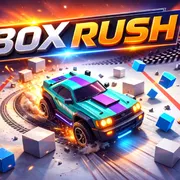
Box Rush
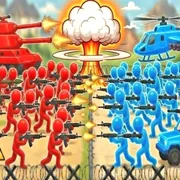
Gun Mob: Stickman Run
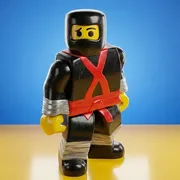
Ninja Obby Parkours

Crime Scene Cleaner Mobile 3D

Dino Game Unblocked

Jetpack Race Arena
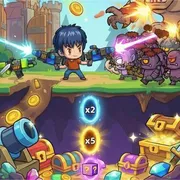
Village Defense Battle

Endless idle RPG

Street Fight : Beat Em Up

Real World Cricket Game
Stickman: Fighter 3D
Zombie Apocalypse 2
Stickman Shooting Survival
Destructive Merger

Endless Golf

Dirt Bikes Rally
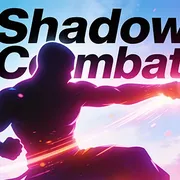
Shadow Combat
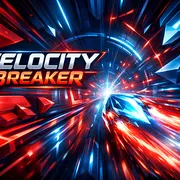
Velocity Breaker

Urban Echo
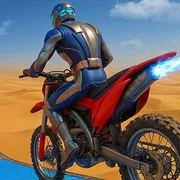
Bike Rush Xtreme

BAZOOKA SURVIVORS
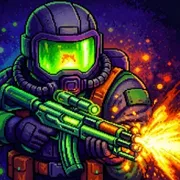
Toxic Arena: Biological Threat
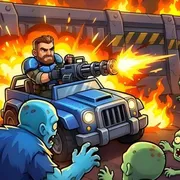
Zombie Defense: Last Stand

Wrestling Revolution Arena
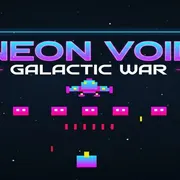
Neon Void: Galactic War
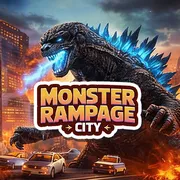
Monster Rampage City
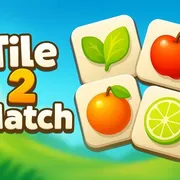
Tile 2 Match

Cartoon Cat Scary

Dunkeon dino
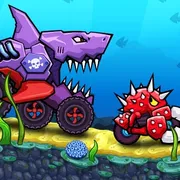
Car Eats Car: Underwater Adventure
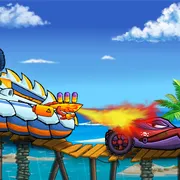
Car Eats Car: Sea Adventure
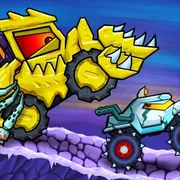
Car Eats Car: Arctic Adventure
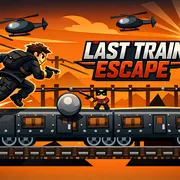
Last Train Escape

Dinosaur City Hunting Destroy
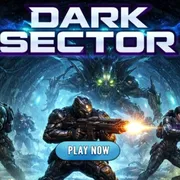
Dark Sector

Combo Color Unlocker
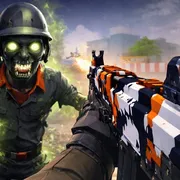
Zombie Survival : Last Stand

Catch the roober
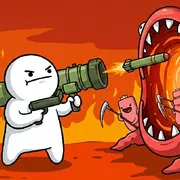
Missile Dude RPG
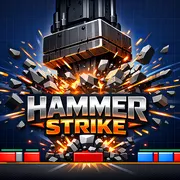
Hammer Strike: Destruction Zone
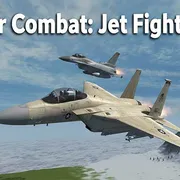
Air Combat: Jet Fighter

Jump Masters
Harbor Breakout
Cat Girl Skater
Click to Control Chaos

Hunting Master
IRON SMASH

Gorilla Monster Fight
Street Mayhem Driver

Roll Dice Mob Control

Trishift

Domino Smashfall
Rainbow Monster Hideout 3D
Crazy Fall Rush 3D

Night Loot Run
Brainrot Evolution Arena
Last Quiver

racing portal
space io

Sea Kings
Cut It All Challenge!
Splashy Sub
Merge Monster Fight

Car Wash Simulator Game
War Space Defender

Olympic Runner Game
Void Drop 3D
Car Eats Car: Volcanic Adventure
Rainbow Monster Survival

Hospital Doctor Emergency
Zombie Catchers
Fruit Slicer Fun
Rescue Rush: Wildfire
HUNTMAN

Tanks Of Liberty online

Guardz IO

Penguin Runner Game
Color Switch Dash
SlimeAdventure
Dead Paradise
Zombie Road Drive
Dragon Draw Joust
Action games put your reflexes, timing, and instincts to the test with every second of gameplay. Whether you are dodging attacks in a platformer, landing headshots in a shooter, clearing waves of enemies in a hack-and-slash, or outrunning police in a high-speed chase, action games deliver an unrelenting rush of adrenaline that no other genre can match. Coreball online features over 260 free action games you can play instantly in your browser — no downloads, no sign-ups — spanning shooters, fighters, platformers, survival games, and everything in between. For more adrenaline, our shooting games online deliver pure firepower and our play adventure games page layers in story arcs.
What Are Action Games? The Genre That Started It All
Action games are video games built around physical challenges that test the player's reflexes, hand-eye coordination, and reaction time. The defining characteristic is real-time interaction — you are constantly making decisions and executing them under pressure, with immediate consequences for every input. Miss a jump, you fall. Hesitate to shoot, you get shot. Dodge too late, you take damage. This direct connection between player skill and outcome is what separates action games from strategy, simulation, or puzzle genres where you can think at your own pace.
The action game genre is arguably the oldest and broadest in gaming. Pong (1972) was an action game. Space Invaders (1978) was an action game. Super Mario Bros (1985) was an action game. Over five decades, the genre has branched into dozens of subgenres — shooters, fighters, platformers, beat-em-ups, hack-and-slash, survival, stealth, and more — but they all share that core DNA: real-time physical challenges where your hands need to keep up with your brain.
In browser gaming, action games dominate because they deliver instant gratification. You load the page, the game starts, and within seconds you are in the thick of it — dodging, shooting, jumping, fighting. There is no lengthy tutorial, no character creation screen, no cutscene to sit through. The best browser action games respect your time by putting you into the action immediately and keeping you engaged through escalating difficulty and the pure satisfaction of improving your skills.
Every Type of Action Game You Can Play in Your Browser
The action genre is vast, and browser gaming covers nearly every subgenre. Here is a comprehensive breakdown of what is available and what makes each type compelling.
Shooting Games
Shooting games are the largest subgenre within action games, and they come in multiple formats. First-person shooters (FPS) put the camera behind your character's eyes, emphasizing aim, positioning, and map awareness. Browser FPS games like Bullet Force and Krunker deliver competitive multiplayer experiences that rival standalone PC titles, with weapon customization, multiple game modes, and ranked matchmaking. Third-person shooters pull the camera back to show your full character, adding dodge and cover mechanics to the shooting core. Top-down shooters offer a bird's-eye view of the battlefield, emphasizing spatial awareness and crowd control as waves of enemies approach from all directions. Side-scrolling shooters channel the classic run-and-gun format where you move right, shoot everything, and avoid a screen full of projectiles.
Fighting Games
Fighting games distill action to its purest competitive form — two characters, one arena, trade blows until one falls. Browser fighting games range from deep combo-based fighters with special moves and meter management to physics-based ragdoll brawlers where the unpredictable flailing IS the entertainment. Stickman fighters are enormously popular in browsers, offering fluid animation and satisfying combat without demanding high-end hardware. Wrestling, boxing, and martial arts games each bring their own flavor — grappling systems, stamina management, and style-specific movesets that reward different approaches to combat.
Platformer Games
Platformers challenge you to navigate environments by running, jumping, climbing, and dodging obstacles. The genre was pioneered by games like Donkey Kong and Super Mario Bros, and browser platformers carry that legacy forward with incredible variety. Precision platformers demand pixel-perfect jumps across deadly gaps and moving platforms. Speedrun platformers are designed to be completed as fast as possible, with optimized routes and momentum tricks. Puzzle platformers combine jumping with brain teasers — switches to press, physics to manipulate, paths to discover. Rage platformers are intentionally frustrating, designed to kill you repeatedly while you learn through failure. Stickman Hook, one of the most popular browser games, reimagines the platformer as a swinging physics game where you grapple from point to point with satisfying momentum.
Survival and Wave Defense Games
Survival action games challenge you to stay alive against increasingly difficult odds. Zombie survival games are a perennial favorite — you start with basic weapons, scavenge for upgrades, and fight to survive as waves of undead grow larger and more dangerous. Tower defense hybrids let you place defensive structures between waves while also fighting enemies directly. Survival crafting games combine resource gathering with combat, challenging you to build shelter and weapons while fending off threats. The appeal of survival action games is the tension between resource management and combat execution — you need to be smart about when to fight and when to run.
Hack-and-Slash and Beat-Em-Up Games
These games focus on melee combat against large groups of enemies. Where fighting games are about one-on-one precision, hack-and-slash games are about crowd control — chaining attacks to hit multiple enemies, using area-of-effect abilities, and managing position to avoid being surrounded. Browser versions often feature progression systems where defeating enemies earns experience and unlocks new abilities, creating a satisfying power curve where you start weak and grow into a devastating combatant. Side-scrolling beat-em-ups in the style of classic arcade games remain popular, with cooperative modes where two players can team up against enemy hordes.
Stealth and Infiltration Games
Not all action games are loud. Stealth games challenge you to accomplish objectives without being detected — sneaking past guards, timing movements to avoid security cameras, and using distractions to create openings. The tension of stealth is unique within action games: instead of the adrenaline of combat, you experience the suspense of near-discovery and the satisfaction of executing a perfect unseen approach. Browser stealth games range from top-down infiltration missions to comedic stealth games like Scary Teacher 3D where the stealth is played for laughs rather than tension.
Driving and Chase Action Games
High-speed driving games straddle the line between racing and action when they add combat elements — police chases, vehicular combat, destruction derbies, and stunt courses where the focus is on spectacular crashes as much as reaching the finish line. GTA-style open-world action games in browsers offer sandbox environments where you can drive freely, engage in missions, and cause cinematic chaos. These games combine the adrenaline of speed with the unpredictability of combat encounters.
The Evolution of Action Games: From Arcades to Browsers
Action games have been the backbone of the gaming industry since its inception. Their evolution mirrors the evolution of gaming technology itself.
| Era | Key Innovation | Landmark Games | Action Game Legacy |
|---|---|---|---|
| Arcade (1972-1985) | Real-time interactive graphics | Pong, Space Invaders, Pac-Man, Donkey Kong | Established action gaming as entertainment's dominant format |
| Console (1985-1995) | Home gaming with complex levels | Super Mario Bros, Contra, Mega Man, Street Fighter II | Defined platformer and fighting game genres for decades |
| 3D Revolution (1995-2005) | Three-dimensional movement and combat | Doom, Quake, GoldenEye 007, Devil May Cry | Created FPS and 3D action genres |
| Online (2005-2015) | Multiplayer competition over internet | Call of Duty, Battlefield, Dark Souls | Made competitive action gaming mainstream |
| Browser (2010-Present) | Instant play, zero installation | Krunker, Shell Shockers, Stickman Hook | Democratized action gaming — anyone, anywhere, instantly |
The browser era represents the ultimate democratization of action gaming. In the arcade era, you needed quarters and a physical machine. In the console era, you needed a $300+ system and $60 games. In the PC era, you needed hardware upgrades. Browser action games need nothing but a device with a web browser — and that device can be a $200 Chromebook, a school computer, a phone, or a tablet. The barrier to entry dropped to zero, and the audience expanded to everyone.
Why Action Games Are the Most Popular Game Genre
Action games consistently dominate player engagement across every platform, and understanding why reveals what makes them so effective as entertainment.
Immediate Feedback Loops
Action games provide faster feedback than any other genre. You press a button, something happens on screen instantly. Shoot — the enemy reacts. Jump — you either make it or fall. This millisecond-level connection between input and outcome creates a sense of direct control that is inherently satisfying. Psychologists call this "agency" — the feeling that your actions meaningfully affect the world — and action games maximize it.
Flow State Access
The progressive difficulty curve of well-designed action games creates ideal conditions for flow state — the psychological state of complete absorption where time seems to disappear. Early levels are simple enough to build confidence, and difficulty escalates at a rate that keeps you challenged without overwhelming you. When challenge perfectly matches skill, you enter flow. Action games hit this sweet spot more reliably than other genres because the skill ceiling is physical (reaction time, coordination) rather than intellectual (which can plateau).
Universal Appeal
Action games require no prior gaming knowledge, no understanding of complex systems, and no patience for lengthy introductions. The mechanics are intuitive because they mirror real-world physical actions — dodge something coming at you, hit the target, jump over the gap. A person who has never played a video game can understand an action game within seconds of watching it. This universality explains why action games are the gateway genre that introduces new players to gaming across all age groups and demographics.
Action Games on Mobile vs Desktop
Action games demand precise, responsive controls — which makes platform choice particularly important for this genre.
Desktop Advantages
- Keyboard + mouse precision: WASD movement with mouse aiming is the gold standard for shooters and complex action games. No touchscreen can match the precision of a mouse for aiming.
- Lower input latency: Wired peripherals deliver 5-15ms latency versus 30-70ms for touchscreens — critical in fast-paced games where milliseconds determine hits or misses.
- More complex controls: Action games with many simultaneous inputs (movement + aiming + abilities + sprinting + crouching) require a keyboard's many keys. Touchscreens struggle with more than 2-3 simultaneous inputs.
- Larger screen: Spotting enemies, reading attack patterns, and navigating complex environments is easier on larger displays.
Mobile Strengths
- Casual action games shine: Tap-based games like Stickman Hook, endless runners, and simple fighters work naturally on touch.
- Portability: Play during commutes, breaks, and waiting times — action games with short session loops are perfect for mobile.
- Gyroscope controls: Some mobile action games use tilt controls for steering or aiming, adding a physical dimension that desktop lacks.
The Verdict
| Game Type | Best Platform | Why |
|---|---|---|
| FPS / Shooters | Desktop | Mouse aiming is essential for competitive play |
| Fighting games | Desktop | Complex inputs need keyboard key combinations |
| Platformers | Either | Simple controls work on both; desktop for precision platformers |
| Endless runners | Mobile | Tap controls feel natural and session times fit mobile use |
| Casual action | Either | Simple mechanics translate well to both input methods |
How to Get Better at Action Games: Skills That Transfer Across Titles
Unlike genre-specific knowledge (learning chess openings or Minecraft crafting recipes), action game skills are transferable. Improving at one action game makes you better at all of them because the underlying abilities are universal.
Reaction Time
Reaction time is the delay between seeing a stimulus and responding physically. Average human reaction time is 200-250 milliseconds. Experienced action gamers typically reach 150-180ms. This improvement comes from practice — your neural pathways literally optimize through repeated use, a process neuroscientists call myelination. Playing any fast-paced action game trains these pathways, and the improvement transfers to other games and real-life situations requiring quick responses.
Pattern Recognition
Enemies in action games follow patterns — attack sequences, movement paths, spawn locations. Learning to recognize these patterns is a skill that develops with experience across all action games. An experienced player seeing a new enemy for the first time will instinctively look for the pattern rather than reacting to each attack individually. This anticipatory mindset — reading what will happen next rather than reacting to what is happening now — is the single biggest skill differentiator between novice and experienced action game players.
Spatial Awareness
Knowing where you are in a game environment, where threats are, where cover is, and where your escape routes lead — this spatial awareness develops through action gaming and applies universally. FPS map knowledge, platformer level layouts, and fighting game stage positioning all exercise the same underlying spatial processing abilities.
Resource Management Under Pressure
Health, ammunition, special abilities, time — action games constantly force you to manage limited resources while under attack. Deciding when to use a health potion, when to reload, when to deploy a special move — these pressure-tested decisions train a form of executive function that cognitive psychologists associate with improved real-world decision-making under stress.
Action Games for Different Skill Levels
| Skill Level | Recommended Subgenre | What to Start With | What to Expect |
|---|---|---|---|
| Complete Beginner | Casual platformers, endless runners | Stickman Hook, simple jump games | One-button controls, forgiving timing, instant restart |
| Casual Player | Side-scrolling shooters, ragdoll fighters | Rooftop Snipers, Getaway Shootout | Simple controls with room for skill expression |
| Intermediate | Arena shooters, precision platformers | Krunker, Shell Shockers, Level Devil | Competitive multiplayer, learned mechanics, ranking systems |
| Advanced | Competitive FPS, combo fighters, speedrun platformers | Bullet Force, advanced stickman fighters | Deep mechanics, meta-game strategy, competitive ranking |
Playing Action Games at School
"Action games unblocked" is a popular search among students looking for fast-paced gaming during school breaks. Action games are ideal for short break sessions because most offer instant starts, quick rounds, and natural stopping points between levels or matches.
Popular unblocked action games include Stickman Hook (swinging platformer), Rooftop Snipers (2-player physics shooter), Getaway Shootout (competitive obstacle course), and various endless runners. These titles are commonly available on educational gaming platforms with school-friendly domains.
Beyond entertainment, action games develop valuable skills for students: reaction time and hand-eye coordination improve with practice, pattern recognition transfers to academic problem-solving, and the growth mindset required to improve through repeated failure mirrors the learning process in academic subjects.
Frequently Asked Questions About Action Games
What are action games?
Action games are video games that test your reflexes, timing, and hand-eye coordination through real-time physical challenges. The genre includes shooters, fighting games, platformers, survival games, hack-and-slash titles, and more. The common thread is that success depends on how quickly and accurately you respond to on-screen events rather than strategic planning or puzzle-solving.
Can I play action games for free in my browser?
Yes. Hundreds of action games are available for free in modern web browsers. Sites like Coreball host extensive libraries covering every action subgenre — shooters, fighters, platformers, survival games — that load instantly with no downloads or account creation. These games use HTML5 and WebGL technology to deliver smooth performance directly in your browser.
What are the best action games online?
Popular browser action games include Stickman Hook (physics platformer), Krunker (competitive FPS), Shell Shockers (egg-themed shooter), Rooftop Snipers (2-player fighter), Bullet Force (tactical FPS), Level Devil (rage platformer), and various stickman fighting games. The best choice depends on whether you prefer shooting, fighting, platforming, or survival gameplay.
Are action games good for your brain?
Research consistently shows that action games improve reaction time, visual attention, spatial awareness, and multitasking ability. A landmark study published in Nature found that action gamers outperformed non-gamers on tests of visual processing speed and attention distribution. These cognitive benefits transfer to real-world tasks requiring quick visual processing and motor responses, including driving and sports.
What is the difference between action and adventure games?
Action games prioritize reflexes and physical skill — you succeed by reacting quickly and executing precisely. Adventure games prioritize exploration, story, and discovery — you succeed by investigating environments, solving puzzles, and progressing through narrative. Many modern games blend both into "action-adventure," combining combat mechanics with exploration and story elements. In browser gaming, pure action games tend to have shorter sessions and more immediate engagement, while adventure games offer longer, more immersive experiences.
Do I need a powerful computer for action games?
Most browser action games are optimized for a wide range of hardware. Simple platformers, 2D shooters, and casual action games run smoothly on budget laptops and Chromebooks. More graphically intensive 3D shooters and survival games benefit from dedicated GPUs and at least 8GB of RAM. For the best experience, use Chrome or Edge with hardware acceleration enabled and close unnecessary tabs.
What are good action games for beginners?
Start with games that have simple, intuitive controls: Stickman Hook (one-button swinging), endless runners (tap to dodge), and physics-based fighters like Rooftop Snipers (two-button combat). These games teach action game fundamentals — timing, spatial awareness, and pattern recognition — without overwhelming you with complex mechanics. Once comfortable, progress to arena shooters and precision platformers.
Can I play action games on mobile?
Yes. Many browser action games are optimized for touchscreen play. Casual platformers, endless runners, and simple shooters work well on phones and tablets. For complex action games requiring precise aiming or many simultaneous inputs, a desktop with keyboard and mouse provides a better experience. The best approach: use mobile for casual action sessions and desktop for competitive or precision-demanding titles.
Are action games suitable for kids?
Many action games are appropriate for children. Platformers, physics-based games, and non-violent action games develop hand-eye coordination, reaction time, and problem-solving skills in an engaging format. Parents should check individual games for content — some shooters and fighting games feature cartoon violence that may not suit all ages. Educational gaming platforms curate age-appropriate selections that provide the cognitive benefits of action gaming without inappropriate content.
What makes browser action games different from console action games?
Browser action games prioritize accessibility — instant loading, no installation, free-to-play, playable on any device. Console action games prioritize depth — longer campaigns, higher production values, more complex mechanics. The gap is narrowing as WebGL and WebAssembly enable browser games with increasingly sophisticated graphics and gameplay. For quick sessions and accessible fun, browser action games are ideal. For extended, cinematic experiences, console titles still lead.