
Free Arcade Games Online — Play 190+ Classic and Modern Arcade Games
Arcade

Bloody Finger Jump

Stunt Car Crash 3D
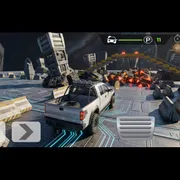
Offroad Prado Parking

Hot Air Balloon Balloon Game

Paty Path
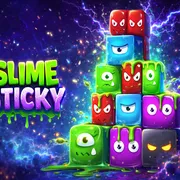
Slime Sticky

Bumbly Bee
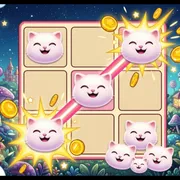
Cat Tic Tac Toe

Kitty House Escapist

Bubbles Blast
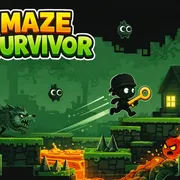
Maze Survivor Platform Adventure Game
Orbit Tap Rush One Tap Game

Galaxy Blaster Defend the Galaxy
Idle Blocks Tycoon
Geometry Snake

SPHERIX
Arrow Count Master
Escape Police for Brainrots
Prison Twins
Police Escape Jumper

Flap Mania: Tap to Survive
Crazy Lumberjack: Cut Them All
Crazy Fast Food Crash

Neon Velocity
Idle Sprint Race 3D

Knife Ring IO
Stress Relief Mini Games

Gem Drop
Mathematic For Kids

Perfect Match

Sumo Wrestling Battle

Skate Duo Runner

Meme Miner Clicker

Merge Cube Challenge
Minigolf Clash

Missile Launch Master

Mr Bean Jump

Muscle Clicker 2

My Parking Lot

My Perfect Hotel

Obby Prison: Craft Escape

Octonauts Bubbles

Parkour Block Xmas Special

Pig Ball Christmas

Professor Lucifer

RobyBox - Space Station Warehouse

Running Bot

Santa Claus Jumping

Santa Run

Santa T Rex Run

Sheep vs Wolf

Shoot The Bottle

Simon Super Rabbit

Slidee

Snowball Dash

Snowball Destroyer
Spooky Dash

Squid Run

Star Attack 3D

Stick Man Battle Fighting

Stick Ninja Survival

Stickman Flip
Survivor In Rainbow Monster

Swipetown
Tunnel Rush 2

Tunnel Rush Mania
Tunnel Rush

Worm Hunt - Snake game iO zone

Worms Zone a Slithery Snake

Xmas Dash

Fatty Bird

Catch Reindeer

Not Drunk Yet!

Cooking Alike
Long Neck Runner Game
Noobs: Crazy Combo

Boat Bear
Stickman Archer Bow Fight

Finding Redpanda

Ultra Kick: Goal Crazy

AIchessgame
StickyConnect

All Dot Connect Puzzle Game

BUBBLE BLAST
Sugar Rush Tower

CROCO JUGGLER

Forest Wing
Robe Challenge

Horse Racing

Reflex Grid

ULTIMATE CHESS
Ziply
Orbit Rush 3D
Square Sling
No One Survives 1 minute
fours colors

Trump the Ragdoll

Plane Runner 3D

Garden Brain Learn Grow!

Hyper Wave Trial
PIXEL DASH: NEON RUN

Space Adventure Game
Stickman Army : Team Battle-3

Tiny Army

War Commander

Color Bubble Shooter
Steel Advance
Spike Rush

Game of Goose-2

Gem Legends

Bullet Man Master 3D
Minecraft Flappy Creeper

Dracula run

Punch Champions

Billy The Kid-2

Space Rover

Dark Runner

Supermarket Empire
Mini Car Simulator

Buggy Racing
breakoutrun
Frozen Escape
Escape the lava

Empire Estate Pro
Ancient Caculate

Feather Dash

Cyber dash 2

Build a Skyscraper!

Tetricon Minimalism
gravity shift space edition

Farm Animal Sort Puzzle

Pop Frenzy Cannon Blast

Ben Car Adventure

Jungle Jeep Simulator

Super Car Parking
Fast Decode
THE LAVA ESCAPE

Stick Fruit Arcade Game

CarRush

Poop Away

CAT CITY

Mazes Draw The Path

Reflex Shot
Asteroid Dodge
Squid Survival Run Challenge

Hopnova

Escape Waves for Lucky Blocks
Paper Minecraft

Go Up Tap ZigZag Box Challenge
Voxelrift

Day Care Simulator
Cyber Snake 2077: Ultimate

Idle City

RPG Soldier Shooter
Crazy Neon Square Rush

Love Balls Game
Animalistic Transform Run
Geometry Dash Cube Adventure
Ball Throw Heroes 3D
Pixel Smash Ball

LOL Football Funny Face
Run Mario Run

Soccer Trainer
Labubu Tic Tac Toe
MINI STADIUM
Urban Riot Blaster
Hero Jump City Nights

Build an Aquapark
Build a Rollercoaster: Simulator

Build An Obby

Stickhero Love Stickgirl
Dont get crashed by 67
NEON BLASTER

Lemonade Seller Simulator
Running From A Hungry Tiger

Gliding over Dunes

BubbleStack

Pinball 3026

SOCCER Simulator

Hose Money Robber

Quack Quest

Godzilla Runner Game
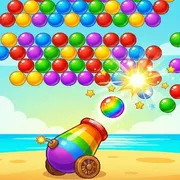
Bubble Shooter Blast Mania
Voxel Crusher

Red Ball Flight

Color Spin Puzzle
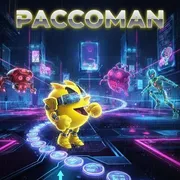
hard neon paccoman
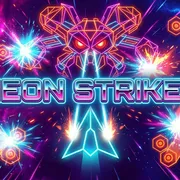
NEON STRIKER

Gaint Run Color Switch
Squid Game Runner 2
Nut Bolt Screw Puzzle Game

CatStretch
Zombies 4 Weapon Merge
Gravity Well

Candy Rain

Hooked

Snake to Eat

Blade Thrower Master
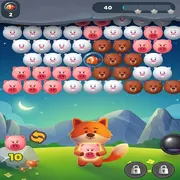
Animal Bubble Blast

Billionaire Lumber Empire: Idle Tycoon

Wild West: Gold Rush
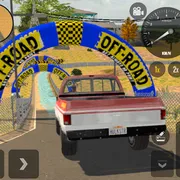
Offroad Jeep Game: SUV Driving
Boxhead Highway Runner Game

JiggleSaw
Space Destroyer

Hook Jump Up

THE KULKA
Magic Dot Rush
Solitaire World

Ladder Rush: Build Race

Octopus Jumping World
Vehicle Stunt Mayhem
Power Shift Arena

Funny Celebrity Face Moments

Color Battle Filler
Pinball: Cube Crusher
Squirel Steps
Block Party Blast
Jelly Cube Adventure

Bullet Guide Wick

Plane Fly Zone

Flying Baby Billi
Endless Tunnel Run
Mini Dice Chess

Letter Boom Blast Rush

Jetpack Race Arena
Jumpster
Steal Brainrots From Bosses
Survive Lava for Brainrots!
Obby: Chop Trees in the Forest

Street Fight : Beat Em Up

Drifty Race Challenge
Dreamy Blast Puzzle

Nebula Bubble Pop

RUNNING MAN 2026
Stack Tower Pro

Fun memory
Puzzle Arc
Destructive Merger

stellar dash
Sonic Speed Run
Shadow Combat

Flappy Bird 2026
Animal Bubble Pixel
berry bury berry
Velocity Breaker

BAZOOKA SURVIVORS

Ultra Shot

Space Arena

Poly Jumper

TalkBack Cat

Idlle Cat Merge
Skibidi in Backroom Hunter 2D

Bank Robbery Sneak Master
Neon Void: Galactic War
Monster Rampage City
Sonic Runner Game

Guys Stumble Heroes

Dunkeon dino
Train Puzzle

Perfect Jump Puzzle Game
Minecraft Diamond Miner

Balloon Pop Master
Sweet Merge Puzzle

Spin Color
Birdy Mad Throw
Unity Mini Games Hub Relax
Last Train Escape
MOMENTUM

NEON SPACE DEFENDER

Reckless Getaway 2: Car Chase

Extreme Ball Balancer 3D

PinBall Block Shooter

Dummy Speed Bridger

Combo Color Unlocker
Quiz Runner.io

Turret Defend Apocalypse

MindMatch
Hammer Strike: Destruction Zone
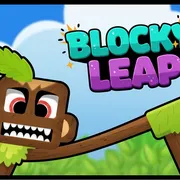
Blocky Leap

Rich Choice Run

Saw Pop Master

Blocker Fit Guy

Harbor Breakout

Stack Ball Run 3D

Bounce Ball Ring Challenge

Ball Throw Goalie
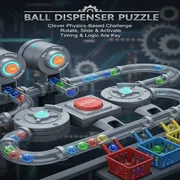
Ball Dispensor Puzzle

Click to Control Chaos

Color Ball Rush
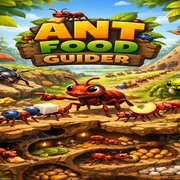
Ant food guider
Among Crowds

IRON SMASH
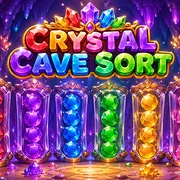
Crystal Cave Sort
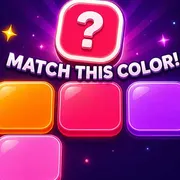
Colors Matching

Astro Racing

Chill Tic Tac Toe
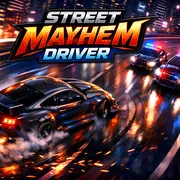
Street Mayhem Driver

Roll Dice Mob Control
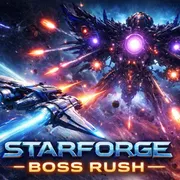
STARFORGE BOSS RUSH

Trishift

Stack Ball Run
Math Speedrunner
Pop the Fruits
best 2048
Domino Smashfall
Bubbla Boing
Pentablocks
Rainbow Monster Hideout 3D
Star Runner: Cosmic Escape
Bubble War
Crazy Fall Rush 3D

Night Loot Run
Star Breakout

Last Quiver

Cut It All Challenge!

Find The Fun!

Mr. Bean Hidden Stars

Safe Box Crack

Happy Corals

Happy Bucket Challenge

Crazy Table Tennis

Funny Crazy Watermelon

Olympic Runner Game
Void Drop 3D

Truckers: Offroad Cargo Transport
Rainbow Monster Survival

Seaweed Aqua
Mr Tomato VS Zombies
Fruit Slicer Fun

Rescue Rush: Wildfire

Color Sort Puzzle Game

Nekomi Recuse
Football Puzzle Goal
HUNTMAN

Penguin Runner Game

Crazy Drone Pizza Delivery
Run Pet Surfer

Color Switch Dash

Circle Rush Trolley Run

Parking Master: License Exam
Arcade games are the original kings of gaming — fast, fun, and built to keep you coming back for one more round. From the neon-lit cabinet halls of the 1970s to your browser tab today, arcade games have always been about one thing: instant, addictive gameplay that anyone can pick up in seconds but takes real skill to master. Coreball games covers over 190 free arcade titles playable directly in your browser — classics you remember, modern hits you will love, and everything in between — no downloads, no accounts, just pure arcade action. Stay tapping in our hypercasual games online hub, or bank-roll an idle empire in our idle clicker games when the same one-button satisfaction is what you want.
What Are Arcade Games?
Arcade games are a genre defined by accessible controls, escalating difficulty, score-chasing gameplay, and short session loops. The term originally referred to games played on coin-operated machines in public arcades — physical cabinets where you inserted a quarter for a few minutes of play. That coin-operated heritage shaped every design choice: games had to be immediately understandable (no time to read a manual while the timer ticked), progressively challenging (easy enough to attract new players, hard enough to eat their quarters), and endlessly replayable (the high score table was the original leaderboard).
Today, "arcade game" has evolved into a broader genre label for any game that captures that classic spirit: simple to learn, difficult to master, satisfying in short bursts, and designed around score or progression rather than story or strategy. Browser arcade games carry these principles forward perfectly — they load instantly (like dropping a quarter into a machine), require no instruction (the controls are self-evident), and deliver immediate gratification through fast-paced, skill-based gameplay.
The genre encompasses an enormous variety of game types. Pac-Man eating dots in a maze is an arcade game. A ball rolling down a neon slope dodging obstacles is an arcade game. A runner sliding under barriers while collecting coins is an arcade game. A claw machine grabbing prizes is an arcade game. What unites them is the design philosophy: pick up, play, and chase a better score.
The Golden Age: A Brief History of Arcade Games
Understanding where arcade games came from explains why they remain compelling half a century later.
| Era | Years | Defining Games | Innovation |
|---|---|---|---|
| Dawn | 1972-1977 | Pong, Breakout | Interactive electronic entertainment as a commercial product |
| Golden Age | 1978-1983 | Space Invaders, Pac-Man, Donkey Kong, Galaga, Frogger | Pattern-based gameplay, character mascots, cultural phenomenon |
| Fighting Era | 1991-1998 | Street Fighter II, Mortal Kombat, Tekken | Competitive 1v1 combat, combo systems, tournament culture |
| Rhythm Era | 1997-2008 | Dance Dance Revolution, Guitar Hero, Beatmania | Music-synchronized gameplay, physical movement integration |
| Browser Revival | 2010-Present | Subway Surfers, Crossy Road, Slope, Snake.io | Classic arcade design principles reborn in instant-play browser games |
The golden age of arcade gaming (1978-1983) generated billions in revenue and launched characters — Pac-Man, Donkey Kong, Space Invaders — that became pop culture icons. When home consoles made arcade cabinets less essential, the arcade spirit migrated to living rooms, then mobile phones, and now browsers. Each platform change refined the format while preserving the core: instant access, escalating challenge, and the irresistible pull of "one more try."
Every Type of Arcade Game You Can Play Online
Classic and Retro Arcade Games
The games that started it all are alive and thriving in browsers. Pac-Man, Space Invaders, Tetris, Breakout, Frogger, and their descendants are available in faithful recreations and creative reimaginings. These titles feature pixel art visuals, simple one-or-two-button controls, and gameplay loops refined over decades to near-perfection. Playing them in a browser carries the same magic as the original cabinets — except you do not need quarters. Retro arcade games are also an excellent gateway for introducing younger players to gaming history, showing them the roots of every modern game they play.
Endless Runner and Dodge Games
The spiritual successors to classic arcade games, endless runners challenge you to survive as long as possible in an automatically scrolling or moving environment. Subway Surfers popularized the format with its colorful lane-switching gameplay. Crossy Road reimagined Frogger for the modern era. Slope sends a ball hurtling down a neon-lit procedurally generated course at ever-increasing speed. The format is pure arcade: simple controls (usually just left, right, and jump), escalating difficulty (the game gets faster and more complex the longer you survive), and score-chasing (your distance IS your score). These games are ideal for short sessions — a single run takes 30 seconds to 5 minutes, but the "one more try" impulse makes 5 minutes become 30.
Score Attack and High Score Games
Some arcade games are designed explicitly around chasing the highest possible score. Every action earns points, combos multiply your score, and the global or local leaderboard motivates you to push further. These games emphasize efficient play — not just surviving, but maximizing your output. Pinball-style games, brick breakers, and bubble shooters all use this format. The high score table, invented in 1979 for the arcade game Asteroids, remains one of gaming's most powerful motivation tools.
Claw Machine and Prize Games
Digital recreations of physical arcade staples have become surprisingly popular in browsers. Claw machine simulators let you maneuver the claw and attempt to grab virtual prizes, recreating the tantalizing "almost had it" feeling of the real machines without the financial loss. Coin pusher games, prize wheel spinners, and capsule machine simulators bring the carnival midway experience to your screen.
Rhythm and Music Arcade Games
Rhythm games translate the Dance Dance Revolution and Guitar Hero experience into browser-playable formats. Notes scroll toward you in time with music, and you press the corresponding keys at the right moment. The scoring system rewards timing precision, creating a satisfying skill curve where you can feel yourself improving with each session. Browser rhythm games range from simple tap-along games to complex multi-track experiences that challenge even experienced players.
Snake, IO, and Arena Games
Snake — originally a 1976 arcade game — experienced a massive browser revival through the .io game format. Snake.io and Slither.io reimagined the "grow your snake, avoid crashing" formula for multiplayer arenas where you compete against dozens of other players simultaneously. The arcade simplicity (two directional controls, one objective) combined with the unpredictability of human opponents creates endlessly varied gameplay. Other IO games apply the same arcade-meets-multiplayer formula to different concepts: Agar.io (grow a cell), Diep.io (tank combat), and countless variations.
Puzzle Arcade Games
Tetris is the defining example: a puzzle game with arcade pacing. Blocks fall faster, pressure builds, and one wrong placement cascades into failure. Bubble shooters, match-three games, and block-clearing games all combine puzzle logic with arcade urgency. The time pressure transforms what would be a calm puzzle into a heart-racing challenge where thinking fast matters as much as thinking smart.
Why Arcade Games Never Get Old: The Psychology of "One More Try"
Arcade games have maintained their appeal for over 50 years while entire genres have risen and fallen around them. This longevity is not accidental — it is the result of design principles that align perfectly with human psychology.
The Variable Ratio Reward Schedule
Psychologist B.F. Skinner identified that the most addictive reward pattern is one where rewards come at unpredictable intervals. Arcade games naturally produce this pattern: sometimes you clear five levels easily, sometimes a perfect power-up spawn gives you a massive score boost, sometimes you thread an impossible gap and feel like a gaming god. These unpredictable moments of triumph are spaced between routine gameplay, creating a reward schedule that keeps your brain anticipating the next "moment" even during repetitive stretches.
Instant Restart, Zero Penalty
When you die in an arcade game, the time between failure and trying again is measured in seconds — often less than two. This near-zero restart time eliminates the psychological barrier to continuing. In games with lengthy load screens or checkpoint systems, each death carries a time penalty that accumulates into frustration. Arcade games remove this friction entirely: you fail, you restart, you are back in the action before the disappointment fully registers. The result is that you play far longer than you intend to because stopping requires a conscious decision while continuing requires no decision at all.
Readable Mastery Progression
Your score is a number. It goes up when you improve. This dead-simple feedback mechanism makes your skill progression tangible and measurable in a way that more complex games often fail to communicate. You know you are getting better because the number proves it. This visible mastery progression feeds the human drive for competence — one of the three fundamental psychological needs identified by Self-Determination Theory — creating intrinsic motivation to keep playing and improving.
Arcade Games on Desktop vs Mobile
Arcade games are uniquely well-suited to both platforms because their simple control schemes translate naturally to any input method.
- Desktop advantages: Keyboard offers precise, tactile button presses ideal for rhythm games and fast-paced dodge games. Larger screen makes fast-moving objects easier to track. Multiple keys available for games needing more than basic directional input.
- Mobile advantages: Touch controls feel natural for tap-based games, claw machines, and simple dodge/jump mechanics. Portability makes arcade games perfect for commutes, waiting rooms, and short breaks. Tilt controls add a physical dimension to racing and balance games.
- Best on desktop: Rhythm games (keyboard precision matters), classic recreations (designed for button input), complex arcade shooters
- Best on mobile: Endless runners (tap to jump/dodge), claw machines (drag to position), casual score chasers, IO games
- Great on both: Snake games, bubble shooters, Tetris-style puzzles, Pac-Man style maze games
Arcade Games at School
With over 1,300 monthly searches for "arcade games unblocked," students represent a significant audience for browser arcade games. The genre is ideal for school breaks — games are short, controls are simple, and sessions have natural stopping points. Many classic arcade titles are available on educational gaming platforms because they develop genuine cognitive skills: spatial reasoning (navigating mazes and dodging obstacles), pattern recognition (learning enemy behaviors), reaction time (responding to accelerating gameplay), and strategic thinking (optimizing routes and score paths).
Getting the Best Arcade Gaming Experience in Your Browser
- Use Chrome or Edge for the best HTML5 and WebGL performance — these Chromium browsers have the most optimized rendering pipelines for arcade-style games.
- Enable hardware acceleration in browser settings to ensure smooth animation, especially for fast-paced games where frame rate drops are immediately noticeable.
- Go fullscreen (F11) to eliminate browser chrome distractions and maximize the game's visual real estate.
- Close other tabs to free up memory and GPU resources — arcade games may be simple, but smooth 60fps rendering requires dedicated resources.
- Use a physical keyboard rather than a laptop keyboard for games requiring rapid button presses — the tactile feedback and key travel of a mechanical keyboard improves timing accuracy.
- On mobile, disable notifications before playing to prevent interruptions during score attempts — there is nothing worse than a notification banner appearing during a personal best run.
Frequently Asked Questions About Arcade Games
What are arcade games?
Arcade games are a genre defined by accessible controls, escalating difficulty, score-based progression, and short, replayable sessions. The term originated from coin-operated gaming cabinets in public arcades during the 1970s-1990s. Today, it refers broadly to any game that captures that classic spirit: easy to learn, hard to master, and built around the addictive "one more try" loop. Browser arcade games include classic recreations, endless runners, rhythm games, puzzle-arcade hybrids, and IO multiplayer games.
Can I play classic arcade games like Pac-Man online for free?
Yes. Classic arcade games including Pac-Man, Space Invaders, Tetris, Breakout, Frogger, and many others are available in free browser-playable versions. These range from faithful pixel-perfect recreations to modern reimaginings that update the graphics while preserving the original gameplay. No downloads or plugins are required — they run directly in your browser using HTML5.
What are the best arcade games online right now?
Popular browser arcade games include Subway Surfers (endless runner), Crossy Road (modern Frogger), Slope (neon ball runner), Snake.io (multiplayer snake), Tetris (block puzzle), various bubble shooter games, and claw machine simulators. The best choice depends on your preference — endless runners for quick sessions, puzzle-arcade hybrids for mental challenge, or IO games for competitive multiplayer.
Are arcade games good for your brain?
Yes. Research shows that arcade games improve reaction time, hand-eye coordination, visual tracking, and spatial awareness. The progressive difficulty of arcade games creates ideal conditions for skill development — you are constantly challenged at the edge of your ability, which neuroscientists identify as the optimal zone for neural pathway strengthening. A 2024 study in Frontiers in Psychology found that regular arcade game play improved visual attention scores by 15-20% compared to non-gamers.
What is the difference between arcade games and other genres?
Arcade games prioritize accessibility and instant engagement over depth and complexity. Compared to RPGs (long progression systems), strategy games (complex decision trees), or simulation games (realistic systems modeling), arcade games get you playing within seconds and deliver satisfaction in minutes. This does not mean they lack depth — high-level Pac-Man play involves sophisticated route optimization, and competitive Tetris requires extraordinary spatial reasoning — but the barrier to entry is always low.
Do arcade games work on mobile?
Excellently. Arcade games are arguably the best genre for mobile browsers because their simple control schemes (tap, swipe, tilt) map naturally to touchscreen input. Endless runners, claw machines, tap-to-jump games, and IO games all feel native on mobile. Most arcade games also have short session times that suit mobile usage patterns — perfect for playing during commutes or breaks.
What makes a game "arcade-style"?
An arcade-style game has four key characteristics: immediate accessibility (you understand the game within seconds), escalating difficulty (gets harder the longer or further you play), score or distance-based progression (a measurable number that represents your skill), and a fast restart loop (seconds between failure and trying again). Any game that hits these four points — whether it is a modern 3D runner or a retro pixel shooter — qualifies as arcade-style.
Why are arcade games so addictive?
Three psychological mechanisms drive arcade game addiction. First, the variable reward schedule — unpredictable moments of triumph (a perfect run, a huge combo, a new high score) keep your brain anticipating the next reward. Second, the near-zero restart time — failing and trying again takes less than two seconds, removing the friction that normally causes players to stop. Third, visible mastery progression — your score is a concrete, measurable number that proves you are getting better, feeding the fundamental human drive for competence.