
Free Adventure Games Online — Play 140+ Browser Adventure Games
Adventure

Passenger Airplane: Flight 3D

Offroad Prado Parking

Ship & Fish

Drive Car
Trace Craft

count master 3d
Maze Survivor Platform Adventure Game

Galaxy Blaster Defend the Galaxy

rooftop runner

Family Dash

Crimson Escape

Tank War Simulator Game

Snow Slider 3D

Terrifying Zombies: Tower Defense 1 Game

Baby Care Mommay Game

Ant Pil
Travel Mahjong Deluxe

Squid Escape

Squid Run

Stick Ninja Survival

Stickman Leave Prison

Tunnel Rush 2

Tunnel Rush Mania

Xmas Dash

Subway Spider Kid Game

Super Alien Rabbit

Rolling Speed Ball

Boat Bear

Skill Driver Game

Fruit Tower Drop

Helicopter Rescue Games 3d

Snake War Game

All Dot Connect Puzzle Game

Zombie Highway Car Game

Endless Space Pilot 2D

Sugar Rush Tower

Bamboo Panda
Monster Man Rush

Jetspire

Hoppy Stacky

Cut Art Master

Terrifying Zombies: Tower Defense II

Scary Joker Game

Kiwi Adventure Game

Extreme Monster Truck
RelicRun

Robot Astro Party

Big Rolling Ball

Plane Runner 3D

Flippy Hero Jump Game

Crazy Runner

Wizzard Adventure

Crown Crusher

Wild Island Quest

Shoe Outlet

Dead Jungle Game

Object 73: Survival Clicker

Dracula run

Cloud Hopper

Space Rover

Pixel Commando

Morph Racers
Mini Car Simulator

Buggy Racing
breakoutrun
THE SURVIVAL ALLIENS

Hunting Frog

Cube blocks Game

Ball Sort Game

Watermeleon Drop Puzzle
Fishy Feast

Tile Hill Descent

Undead Shooter

Rocket Fuel Tycoon

Usarobo Crystal Shooter

Gun Shooting Games Sniper 3D

Jungle Jeep Simulator

Super Car Parking

Donut Ready Business Tycoon Game

CarRush
Crosswalk Chaos

Color Pop Mania

Roll or Fall

Asteroid Dodge

Restaurant Rush
Paper Minecraft

Save The Princess 1

Spatial Inverse: Gravity Puzzle Adventure

Ricochet Arena

Brawl Stars Battle

Mexico Rex 2

Lemonade Seller Simulator

Short Ride

Water Ball Sorting Puzzle

Quack Quest

Guns vs Magic

Godzilla Runner Game

Prism Pulse

Pixel Art Stealer

Squid Game Runner 2

Amusement Park Tycoon Game

Find the Intruder

Blade Thrower Master

Frost: Fashion

Urban Car Drift Game
City Coach Driving Games 3d

Hyber Dash

Bounce Heroes
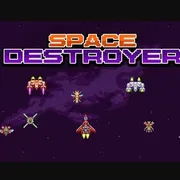
Space Destroyer

Hail Control

Magic Dot Rush

Box Rush

Color Battle Filler

Terra Craft World
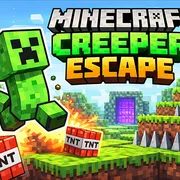
Minecraft Creeper Escape

Jelly Cube Adventure
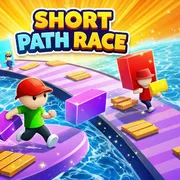
Short Path Race

Bullet Guide Wick

Plane Fly Zone

Ghost in the Dark

Bottle Flip Game

Jumpster

Endless idle RPG

Real World Cricket Game

Fast Food Cooking

Puzzle Arc
Shadow Combat

Urban Echo

BAZOOKA SURVIVORS

Ultra Shot

Zombie Defense: Last Stand
Monster Rampage City
Tile 2 Match

I Show Running 2D

Dunkeon dino

HIll climb Racings 2

Master Hole Battle

MOMENTUM

Hexa Tiles Puzzle Game

Never Fall
Desert Rover Survival

Jump Masters

Blocker Fit Guy
Ant food guider

Gravity Dunk

Lifebuoy Planing

Soldier shooting

Fill Line : one line puzzle game

Frozen Princess Puzzle
Rainbow Monster Hideout 3D

Neon Abyss Defender

Nightfall Horde

Star Breakout

racing portal

space io

Edge of Survival

Sea Kings

Splashy Sub

Merge Monster Fight

Car Wash Simulator Game

Master Blender

Sweet Bite Idle Game

Mahjong Puzzle Game

Haunted Inn

Branches Game
Rainbow Monster Survival
Zombie Catchers

Pet Doctor Caring Game

Color Sort Puzzle Game

Escape the Police

SlimeAdventure

Panda Dash Auto Shooting
Adventure games invite you to step into worlds where exploration, discovery, and storytelling take center stage. Whether you are solving mysteries in a haunted mansion, navigating treacherous dungeons, surviving on a deserted island, or charting a course through uncharted galaxies, adventure games reward curiosity and persistence over raw reflexes. Coreball game fans get over 140 free adventure titles playable instantly in your browser — from point-and-click classics and text adventures to action-packed RPGs and open-world exploration — no downloads, no sign-ups required. Players who finish the open-world picks here often loop back into free action games for raw combat, or settle into puzzle games online for a slower, brainier session.
What Are Adventure Games?
Adventure games are a genre defined by exploration, narrative, and problem-solving. Unlike action games where reflexes determine success or puzzle games where logic is the sole challenge, adventure games combine multiple gameplay elements into a journey-like experience. You move through environments, interact with objects and characters, solve problems to progress, and uncover story as you go. The emphasis is on the experience of discovery — every new room, every conversation, every found item feels like progress toward understanding the world you are in.
The genre traces its roots back to Colossal Cave Adventure (1976), a text-based game where players navigated a cave system by typing commands. From those purely textual beginnings, adventure games evolved through graphical point-and-click interfaces, fully 3D explorable worlds, and now browser-based experiences that combine all of these traditions. What has remained constant across five decades is the core appeal: the feeling of being somewhere new, figuring things out, and uncovering a story piece by piece.
In browser gaming, adventure games occupy a unique space. They tend to offer longer, more immersive sessions than other genres — you are not just clearing a quick level, you are progressing through a world. This makes them ideal for players who want more depth and narrative engagement from their browser gaming, and who are willing to invest time in exchange for richer, more memorable experiences.
Types of Adventure Games You Can Play Online
The adventure genre is remarkably diverse, encompassing subgenres that play very differently from each other while sharing the common thread of exploration and discovery.
Point-and-Click Adventures
The classic adventure game format: you click on objects, characters, and locations to interact with them, collecting items and using them in the right combinations to solve puzzles and progress. Point-and-click adventures emphasize logical thinking and environmental observation — the solution to every puzzle is hidden somewhere in the game world, waiting for you to notice it. Browser versions range from retro pixel-art mysteries to modern hand-drawn narratives. The genre is ideal for players who enjoy methodical exploration and the satisfaction of connecting clues that initially seemed unrelated.
Action-Adventure Games
The most popular subgenre blends adventure's exploration and discovery with action's real-time combat and physical challenges. You explore environments and uncover story while also fighting enemies, dodging hazards, and navigating platforming sections. Minecraft-style voxel adventures are enormously popular in browsers — you mine resources, craft tools, build shelters, and survive hostile creatures in procedurally generated worlds. Dungeon crawlers, sword-and-sorcery quests, and survival adventures all fall under this umbrella, offering the depth of adventure games with the immediate engagement of action.
RPG Adventures
Role-playing game adventures add character progression to the adventure formula. Your character gains experience, levels up, learns new abilities, and acquires better equipment as you progress through the world. This creates a compelling investment loop — not only are you exploring and discovering, but your character is growing measurably stronger, opening up new areas and gameplay possibilities. Browser RPG adventures range from turn-based combat systems reminiscent of classic JRPGs to real-time action RPGs where skill and stats combine to determine combat outcomes.
Survival Adventures
Survival adventures drop you into hostile environments with minimal resources and challenge you to stay alive. Gather food, find water, build shelter, craft weapons, and fend off threats — all while exploring the world to find better resources and uncover the story of why you are there. The genre creates a powerful tension between exploration (you need to venture out to find resources) and safety (the further you go, the more dangerous it gets). Browser survival adventures range from island survival scenarios to post-apocalyptic worlds and deep-space emergencies.
Puzzle Adventures
Puzzle adventures make intellectual challenges the primary obstacle to progression. Instead of fighting enemies, you solve logic puzzles, decode messages, manipulate machinery, and figure out spatial challenges to open paths and advance. The best puzzle adventures integrate their puzzles into the world's logic — the puzzle is not an arbitrary barrier, but a mechanism that makes sense within the game's setting. Escape room games, temple exploration games, and detective mysteries all use this format.
Text Adventures and Interactive Fiction
The oldest form of adventure game is experiencing a renaissance in browsers. Text adventures present the game world through written descriptions, and you progress by typing commands or making choices from presented options. Modern interactive fiction has evolved far beyond "go north, take sword" — today's text adventures feature branching narratives with meaningful consequences, richly described worlds, and emotional storytelling that leverages the reader's imagination in ways visual games cannot. Browser platforms are ideal for text adventures because the format requires minimal processing power while delivering maximum narrative depth.
Exploration and Walking Simulators
Sometimes the adventure is the destination, not the challenge. Exploration games and walking simulators let you wander through beautifully crafted environments at your own pace, discovering story through environmental details, audio logs, and atmospheric world-building rather than through combat or puzzles. These games prioritize mood, atmosphere, and the joy of discovery over challenge, making them a meditative alternative to more intense gaming. Browser versions use WebGL to render immersive 3D environments that reward slow, careful exploration.
The History and Evolution of Adventure Games
| Era | Key Format | Landmark Titles | Innovation |
|---|---|---|---|
| 1976-1984 | Text adventures | Colossal Cave Adventure, Zork | Interactive narrative through typed commands |
| 1984-1995 | Point-and-click | King's Quest, Monkey Island, Myst | Graphical interfaces, mouse-driven interaction |
| 1996-2005 | 3D adventure | Tomb Raider, Zelda: OoT, Shenmue | Three-dimensional exploration and combat |
| 2005-2015 | Narrative choice | Telltale's Walking Dead, Life is Strange | Player decisions shape the story's outcome |
| 2010-Present | Browser adventure | Minecraft browser, Vectaria.io, escape rooms | Instant-play exploration with zero installation |
The adventure genre has reinvented itself with each technological shift while maintaining its core identity: games about going somewhere, finding something, and experiencing a story. Browser technology has made adventures accessible to anyone with an internet connection, removing the need for expensive hardware or software purchases that historically limited the audience.
Why Adventure Games Appeal to a Different Kind of Player
While action games attract players seeking adrenaline and reflex challenges, adventure games appeal to a psychologically distinct player profile — and understanding this helps you determine whether the genre is right for you.
The Explorer Personality
Bartle's Taxonomy of player types identifies "Explorers" as players motivated primarily by discovering new content, hidden areas, and game secrets. Adventure games are designed specifically for this player type. Every locked door is a promise that something interesting lies behind it. Every NPC conversation might reveal a crucial clue. Every new area expands your understanding of the game world. If you are the kind of person who opens every drawer in a room, reads every sign, and takes every side path, adventure games are built for you.
Narrative Engagement
Adventure games offer something most browser games do not: genuine storytelling. Characters with motivations, plot twists, moral dilemmas, and emotional arcs. For players who want their gaming to deliver narrative satisfaction — the same "I need to know what happens next" feeling that a good book or TV series provides — adventure games are the primary browser gaming genre that consistently delivers this experience.
Cerebral Satisfaction
The puzzles in adventure games reward different mental skills than action games. Instead of fast reflexes, you need observation (noticing a subtle environmental detail), logical deduction (connecting clues to form a solution), lateral thinking (using an item in an unexpected way), and patience (the willingness to examine every possibility before giving up). The satisfaction of solving an adventure game puzzle is qualitatively different from the satisfaction of a perfect headshot — it is the "eureka" moment of understanding rather than the dopamine hit of execution.
Best Adventure Games to Play in Your Browser
| Game | Subgenre | Why It Stands Out |
|---|---|---|
| Vectaria.io | Multiplayer sandbox | Build and explore voxel worlds online with other players in real-time |
| Escape From School | Puzzle adventure | Navigate school environments solving puzzles to find your way out |
| Cube Miner | Survival craft | Minecraft-inspired mining and building in a browser-friendly format |
| Scary Teacher 3D | Stealth adventure | Sneak through a teacher's house pulling pranks — comedic stealth gameplay |
| Lands of Blight | Action RPG | Dark fantasy world with combat progression and loot systems |
| Adventure Miner | Exploration craft | Mine deep underground, discover resources, and build your inventory |
Adventure Games on Mobile vs Desktop
Adventure games generally translate well to both platforms because they rely less on twitch reflexes and more on exploration and problem-solving.
- Point-and-click adventures: Natural fit for mobile — tap replaces click, and the methodical pace works well on touchscreens
- Text adventures and interactive fiction: Excellent on mobile — reading and choosing options is perfectly suited to phone screens
- Action-adventure and RPGs: Desktop preferred — complex controls with movement, combat, and inventory management favor keyboard and mouse
- Survival and crafting: Desktop preferred — resource management and building interfaces are easier with keyboard shortcuts and larger screens
- Exploration games: Either platform — touch controls work for walking and looking around, and mobile portability lets you explore during commutes
The Educational Value of Adventure Games
Adventure games are among the most educationally valuable game genres because they exercise cognitive skills that directly transfer to academic contexts.
- Reading comprehension: Story-driven adventures require processing and retaining written information to progress — especially text adventures and dialogue-heavy games
- Logical reasoning: Puzzle-solving in adventure games follows if-then logic chains that mirror mathematical and scientific reasoning
- Spatial reasoning: Navigating 3D environments, reading maps, and understanding the layout of interconnected spaces develops the same spatial skills tested on standardized assessments
- Vocabulary development: Adventure games, particularly text adventures, expose players to rich vocabulary in context — one of the most effective ways to acquire new words
- Persistence and problem-solving: Adventure puzzles rarely have obvious solutions, teaching players to persevere through frustration and approach problems from multiple angles
Tips for Getting the Most Out of Adventure Games
- Explore everything. Adventure games hide clues and items in unexpected places. Click on every object, talk to every character, and check every corner. The solution you need might be in the one spot you did not examine.
- Take notes. Complex adventure games present clues across different locations and time periods. Keeping a notepad beside you to jot down codes, character names, and puzzle hints prevents you from backtracking to find information you already encountered.
- Try item combinations. In inventory-based adventure games, try using items together and on environmental objects even if the combination seems unlikely. The genre has a tradition of creative solutions that reward experimentation.
- Pay attention to dialogue. NPCs frequently embed hints within conversation. If a character mentions a locked door in the east wing or a secret passage behind the waterfall, that is a clue, not flavor text.
- Step away and return. If you are stuck on a puzzle, take a break. Your subconscious continues processing the problem, and solutions often become obvious when you return with fresh eyes. This is not giving up — it is a legitimate cognitive strategy called "incubation."
- Do not rush. Adventure games reward patience. Rushing through dialogue, skipping environmental details, or brute-forcing puzzles through random clicking defeats the purpose of the genre. The journey is the point.
Frequently Asked Questions About Adventure Games
What are adventure games?
Adventure games are a genre focused on exploration, storytelling, and problem-solving. Players navigate through game worlds, interact with objects and characters, solve puzzles, and uncover narrative as they progress. The genre includes point-and-click adventures, action-adventures, RPGs, survival games, text adventures, and puzzle adventures. Unlike pure action games, adventure games reward curiosity and thinking over reflexes.
Can I play adventure games for free in my browser?
Yes. Hundreds of adventure games are available for free in modern browsers. Coreball hosts over 140 adventure titles spanning every subgenre — from point-and-click mysteries to survival crafting games to text-based interactive fiction. All games load instantly with no downloads or account creation required.
What is the difference between adventure and action games?
Adventure games emphasize exploration, discovery, and problem-solving — you succeed by investigating the world and figuring things out. Action games emphasize reflexes, timing, and physical execution — you succeed by reacting quickly and precisely. Many modern games blend both into "action-adventure," combining combat with exploration. In browser gaming, pure adventure games tend to offer longer, more story-driven sessions, while action games deliver quicker, more intense gameplay.
What are point-and-click adventure games?
Point-and-click adventures are games where you interact with the world by clicking (or tapping) on objects, characters, and locations. You collect items into an inventory and use them in the right combinations to solve puzzles and progress. The genre was popularized by classics like Monkey Island and Myst, and thrives in browsers because the click-based interface works perfectly with both mouse and touchscreen input.
Are adventure games good for kids?
Many adventure games are excellent for children. Puzzle adventures develop logical thinking and patience. Exploration games encourage curiosity and environmental awareness. Story-driven adventures improve reading comprehension and vocabulary. The methodical pace of most adventure games also teaches persistence — learning to work through challenges rather than expecting instant gratification. Parents should check individual games for content, as some adventure games include dark themes or complex narratives aimed at older audiences.
How long are browser adventure games?
Session length varies widely by subgenre. Escape room and puzzle adventures can be completed in 15-30 minutes. Story-driven point-and-click games might take 1-3 hours across multiple sessions. Open-world survival adventures and RPGs are open-ended, offering dozens of hours of gameplay. Most browser adventures include save functionality or progress tracking so you can return where you left off across multiple sessions.
What are text adventure games?
Text adventures (also called interactive fiction) present the game world through written descriptions rather than graphics. You progress by typing commands (in classic text adventures) or making choices from presented options (in modern interactive fiction). The format relies on your imagination to visualize the world, which makes it uniquely immersive. Browser platforms are ideal for text adventures because the format requires minimal hardware while delivering rich narrative experiences.
Do adventure games work on mobile?
Yes, many adventure games work well on mobile devices. Point-and-click adventures are particularly well-suited because tap controls naturally replace mouse clicks. Text adventures and interactive fiction are excellent on mobile — reading and making choices works perfectly on phone screens. Action-adventures with complex controls are better on desktop. For the best mobile adventure experience, choose games specifically designed for touch interfaces or those with simple tap-based interaction.