
Free Horror Games Online — Scary Games, FNAF and Survival Horror
Horror
Zombies Rush
Terrifying Zombies: Tower Defense 1 Game
Deadly Zombie Virus
Zombie Highway Car Game
Terrifying Zombies: Tower Defense II
Hypnotic Zombie Escape Endless Jump
Undead Shooter
The Last 15 Minutes
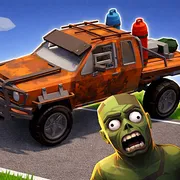
Cars vs Zombies
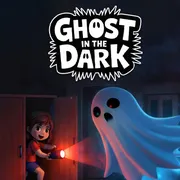
Ghost in the Dark
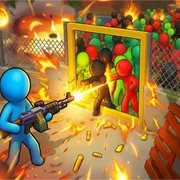
Zombie Apocalypse 2
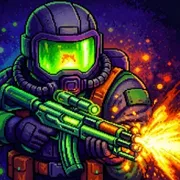
Toxic Arena: Biological Threat
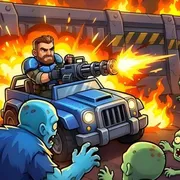
Zombie Defense: Last Stand
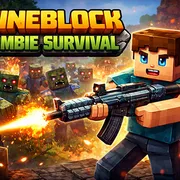
Mineblock Zombie Survival
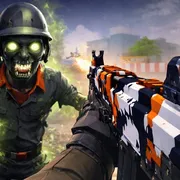
Zombie Survival : Last Stand

Turret Defend Apocalypse
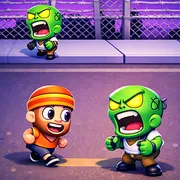
Crossy Zombie Game
Challenge the zombies
Rainbow Monster Hideout 3D
HorrorLand Defense
Nightfall Horde
Haunted Inn
Rainbow Monster Survival
Zombie Catchers
Zombie World Survival
Zombie Road Drive
Panda Dash Auto Shooting
Horror games deliver the thrills, tension, and scares that make your heart race — all from the safety of your browser. Whether you are navigating pitch-black corridors avoiding animatronic nightmares, surviving waves of zombies with dwindling ammunition, exploring haunted houses where every shadow could hide a threat, or unraveling psychological mysteries that mess with your perception of reality, horror games tap into our deepest fears and turn them into exhilarating entertainment. Coreball games features a collection of free horror titles you can play instantly — no downloads, no sign-ups — from survival horror and FNAF-style scares to zombie shooters and atmospheric exploration. Bring a flashlight, then carry the dread into our online shooters or the darker corners of our adventure games online.
What Are Horror Games?
Horror games are video games designed to frighten, unsettle, and create tension through atmosphere, narrative, and gameplay mechanics. Unlike other genres defined primarily by what you do (shoot, race, solve puzzles), horror games are defined by how they make you feel — fear, dread, vulnerability, and the electric anticipation of something terrible about to happen. The gameplay can involve action (fighting monsters), stealth (hiding from threats), puzzle-solving (unlocking escape routes), or exploration (investigating disturbing environments), but the unifying element is always the intent to scare.
In browser gaming, horror games have found an ideal home. The intimacy of playing on a personal screen — often alone, often at night, often wearing headphones — creates the perfect conditions for horror immersion. Browser horror games range from simple jump-scare experiences to genuinely atmospheric experiences that build sustained dread through environmental storytelling, sound design, and carefully paced encounters.
Types of Horror Games You Can Play Online
FNAF and Animatronic Horror
Five Nights at Freddy's (FNAF) and its many browser-playable variations represent the most-searched horror game subgenre with over 18,000 monthly searches for "fnaf games online." The format is distinctive: you are trapped in a location (usually a restaurant or facility) while animatronic characters hunt you. Your only defenses are surveillance cameras, limited power for doors and lights, and your wits. The tension comes from resource management — do you use precious power to check the camera, or save it for the door? — combined with the jump-scare payoff when an animatronic catches you. The formula has spawned dozens of fan-made browser games, each adding unique twists to the core survival-monitoring concept.
Survival Horror
The classic horror game format: you are alone in a hostile environment with limited resources, and you must survive. Ammunition is scarce, health items are rare, and threats are persistent. Survival horror games create tension through scarcity — every bullet matters, every health kit is precious, and the decision of whether to fight or flee carries real consequences. Browser survival horror ranges from top-down zombie shooters to first-person exploration games in abandoned buildings, hospitals, and underground facilities.
Zombie Horror Games
Zombies are the most popular enemy type in horror gaming, and browser zombie games are enormously varied. Wave-based zombie shooters pit you against increasingly large hordes with a progressively expanding arsenal. Zombie survival games challenge you to scavenge for resources while avoiding or fighting the undead. Zombie escape games put you in confined spaces (schools, offices, malls) where you must find a way out through zombie-infested areas. The appeal is primal: zombies are relentless, numerous, and terrifying in close quarters, creating constant pressure and adrenaline.
Psychological Horror
The most cerebral horror subgenre relies on atmosphere, narrative, and perceptual manipulation rather than jump scares or combat. Psychological horror games create unease through environmental storytelling (disturbing scenes you piece together), unreliable narration (you cannot trust what you see or are told), and subtle wrongness (familiar environments with unsettling alterations). Backrooms-style exploration games — wandering through endless, liminal spaces that feel simultaneously familiar and deeply wrong — represent a popular browser iteration of psychological horror.
Jump Scare Games
The most straightforward horror format: the game builds tension through quiet moments, then delivers a sudden loud, visual scare. While simple in concept, well-designed jump scare games use timing and anticipation to make the scares genuinely effective. The best versions subvert expectations — sometimes the scare comes when you expect it, sometimes the tension builds and nothing happens (making the next scare even more powerful), and sometimes the scare comes from an unexpected direction.
Horror Puzzle and Escape Games
Combine horror atmosphere with puzzle mechanics — you are trapped in a frightening location and must solve puzzles to escape. The horror context transforms ordinary puzzle-solving into a tense experience: every locked door could hide something terrible, every moment spent solving a combination is a moment exposed to danger, and the story revealed through puzzle progression adds narrative horror to the mechanical challenge. Horror escape rooms are a thriving browser subgenre.
Why Horror Games Are So Popular
With 110,000 monthly searches for "horror games" alone, the genre's popularity demands explanation. Why do people voluntarily seek out experiences designed to frighten them?
The Adrenaline Rush
Fear triggers the fight-or-flight response — adrenaline surges, heart rate increases, senses sharpen. In a safe context (sitting at your desk, playing a browser game), this physiological arousal feels exhilarating rather than threatening. It is the same mechanism that makes roller coasters and haunted houses popular: the body's fear response feels thrilling when you know you are actually safe.
Mastery Over Fear
Completing a horror game — surviving the night, escaping the building, defeating the monster — provides a sense of triumph that other genres cannot match. You faced something frightening and overcame it. This mastery experience can even help with real-world anxiety by building confidence in your ability to cope with fear-inducing situations.
Social Experience
Horror games are one of the most shared gaming experiences. Playing a scary game with a friend watching (or watching horror gameplay on YouTube and Twitch) creates bonding through shared fear and laughter. The social element amplifies both the scares and the fun, which is why horror games are popular group activities.
The Science of Fear in Gaming
| Fear Mechanism | How Games Use It | Example |
|---|---|---|
| Anticipation | Long quiet stretches build expectation of a scare | Walking through dark corridors in FNAF, waiting for animatronics |
| Startle reflex | Sudden loud sounds and visual changes trigger involuntary flinch | Jump scares with screaming sounds and zoomed faces |
| Loss of control | Limited resources, no weapons, or forced vulnerability | Survival horror with scarce ammunition, stealth-only games |
| Uncanny valley | Almost-human faces and movements that feel wrong | Animatronic characters, glitched NPCs, distorted environments |
| Darkness and visibility | Restricted field of view forces imagination to fill gaps | Flashlight-only exploration, fog and shadow effects |
| Sound design | Ambient sounds, distant footsteps, and sudden silence create unease | Environmental audio cues, music stings, directional sound effects |
Horror Games for Different Scare Tolerances
| Tolerance Level | Recommended Type | What to Expect |
|---|---|---|
| Scare-curious (mild) | Cartoon horror, Scary Teacher 3D, comedic horror | Spooky themes without genuine scares. Fun Halloween vibes. |
| Casual horror | Jump scare games, simple zombie shooters | Predictable scares with action-focused gameplay. Startling but not disturbing. |
| Horror enthusiast | FNAF-style games, survival horror, escape rooms | Sustained tension with genuine scare moments. Resource management adds stress. |
| Hardened veteran | Psychological horror, Backrooms exploration, atmospheric horror | Deep unease, environmental storytelling, minimal jump scares but maximum dread. |
Tips for Playing Horror Games
- Use headphones. Sound design carries 50% or more of a horror game's scare effectiveness. Headphones create immersion that speakers cannot match and let you hear directional audio cues that reveal where threats are.
- Play in the dark. Dim your room lighting or play at night. Screen glare in bright rooms reduces the contrast that horror games rely on, and the darkness around you amplifies the psychological immersion.
- Go fullscreen. Press F11 to eliminate browser chrome. The less "real world" visible around the game, the more your brain accepts the horror reality on screen.
- Do not rush. Horror games build tension through pacing. Rushing through areas makes you miss atmospheric details and reduces the impact of scares. Let the game set its pace.
- It is OK to take breaks. If a game is genuinely too intense, pause and step away. Horror games are meant to be thrilling, not traumatic. Your comfort level determines how much you play.
Horror Games at School
Horror games are among the most searched "unblocked" categories, with "horror games unblocked" generating nearly 10,000 monthly searches and "scary games unblocked" adding another 6,600. Students seek horror games during breaks for the social bonding element — playing a scary game while friends watch creates shared experiences and laughter that strengthen peer relationships. Milder horror games (Scary Teacher 3D, cartoon zombie shooters) are commonly available on school-friendly platforms. More intense titles may be restricted. Always respect school content policies.
Frequently Asked Questions About Horror Games
What are horror games?
Horror games are video games designed to create fear, tension, and unease through atmosphere, narrative, and gameplay. The genre includes survival horror (limited resources, persistent threats), FNAF-style monitoring games (surveillance and resource management), zombie games (combat against undead), psychological horror (atmospheric dread and narrative manipulation), and jump scare games (sudden frights). Horror games can involve action, stealth, puzzles, or exploration — the defining element is the intent to frighten.
Can I play horror games for free in my browser?
Yes. Coreball hosts a collection of free horror games that load instantly in your browser with no downloads or accounts required. The genre is well-suited to browser gaming because the intimate screen experience and headphone immersion create ideal conditions for horror.
What are the best FNAF games online?
Five Nights at Freddy's and its numerous browser-playable fan games and variations are among the most popular horror titles online. FNAF-style games feature night-shift surveillance gameplay where you monitor animatronic characters through cameras while managing limited power. With over 18,000 monthly searches, FNAF represents the most-searched horror game franchise in browser gaming.
Are horror games appropriate for kids?
It depends on the specific game and the child's sensitivity. Mild horror games with cartoon visuals and comedic elements (Scary Teacher 3D, lighthearted zombie games) are suitable for older children (10+) who enjoy spooky themes. Intense survival horror, psychological horror, and graphic zombie games are aimed at teens and adults. Parents should play or watch gameplay of a horror game before allowing younger children to access it.
Why do people enjoy being scared by games?
The fear response triggers adrenaline and dopamine — creating a physiological rush that feels exhilarating when experienced in a safe environment. Successfully surviving a horror game provides a mastery experience (overcoming fear) that builds confidence. The social aspect — shared scares with friends — creates bonding through mutual vulnerability. Horror gaming satisfies the human need for novel, intense experiences without real-world risk.
What is the scariest browser game?
Scariness is subjective and depends on what frightens you. FNAF games deliver consistent jump scares. Backrooms exploration games create deep psychological unease. Survival horror games with resource scarcity generate sustained tension. Psychological horror with narrative manipulation creates lingering discomfort that persists after you stop playing. Try games across these subgenres to discover what type of horror affects you most.