
Free Hypercasual Games — Simple, Addictive Instant-Play Games
Hypercasual

Bloody Finger Jump
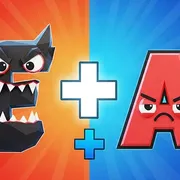
Alphabet Merge Challenge

Tetromino Attack
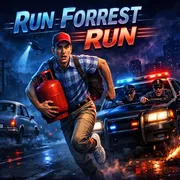
Run Forrest Run
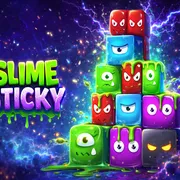
Slime Sticky
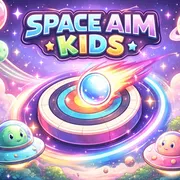
Space Aim Kids
Bumbly Bee
Drive Car
Trace Craft

Bubbles Blast

NeonRoll

FishFlip
Zombies Rush
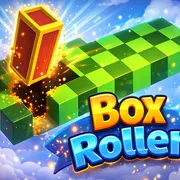
Box Roller

Magic Coloring Book for Little Artists
Antistress relaxation toys Mini Games
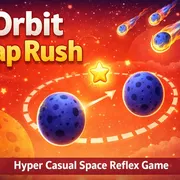
Orbit Tap Rush One Tap Game
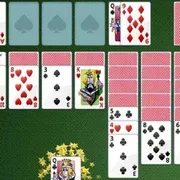
Solitaire: Card Master
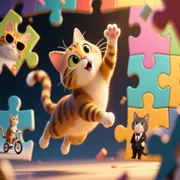
Funny Puzzle: Cats
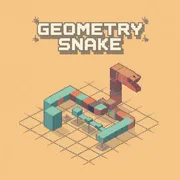
Geometry Snake

Family Dash
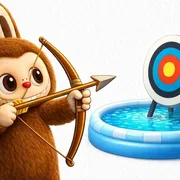
Labubu Arrow Shooter

Cake Art 3D
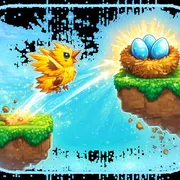
BirdFlying
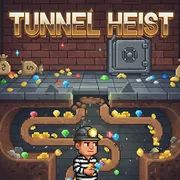
Tunnel Heist
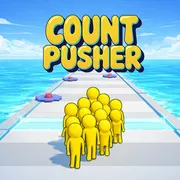
Count Master Rush
ZingAliens

Crimson Escape
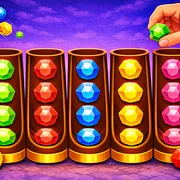
Gem Sort Puzzle
HogHavoc
Arrow Count Master

Labubu Hidden Burger
Animal Finding
Crazy Lumberjack: Cut Them All
Crazy Fast Food Crash

Zen Orbs: Geometric Flow

Fly vs Giant
Word Connect Train Brain

Baby Care Mommay Game
Water Sort Puzzle Master

Gem Drop
Sprunki Puzzle Time
Sniper Master
Number Shoot Game
Perfect Match

Sumo Wrestling Battle
Travel Mahjong Deluxe

Meme Miner Clicker
Merge Archer Defense

Minesweeper
Minigolf Archipelago

Mr Bean Jump

Muscle Clicker 2

Running Bot

Santa Run
Santa T Rex Run

Snake Island 3D

Snowball Dash

Snowball.io
Soccer Free Kick

Sort Resort

Sorting Candy Factory

Super Hero Driving School

Super Snappy Hoops
The Smurfs Cooking
Tunnel Rush 2

Wood Nuts Master: Screw Puzzle
Woodturning Simulator
Zombie Survivor Fight
Soccer Drop Game
Happy Cat

Fatty Bird
Crazy Sea Battle
Subway Spider Kid Game
Color Pixel Flow

Get rich in
Cooking Alike
Color Connect 3D

Rolling Speed Ball

Coin Master Runner
Neon Circuit
Boat Bear

Mini Sky Helicopter

AirSteps
Stickman Archer Bow Fight
Rolling Ball Race
ATM Robbery Escape Game
Fruit Tower Drop

Ball Break The Hoops

FinToss

Ultra Kick: Goal Crazy
Sugar Smash

Money Stack Runner Game

Snake War Game

Color Snake Run
DONT PANIC DUDE!
AIchessgame
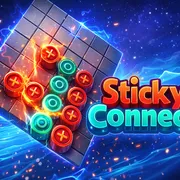
StickyConnect
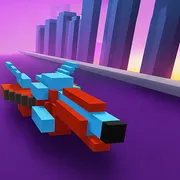
Hover Shift Craft Racer

All Dot Connect Puzzle Game
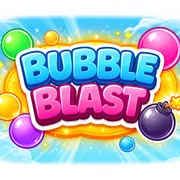
BUBBLE BLAST
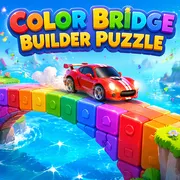
Color Bridge Builder Puzzle
Endless Space Pilot 2D
Feed My Monster
Throw Sword
Hopping Boy
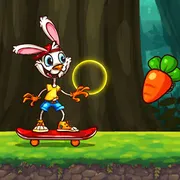
Rabbit Skater Game
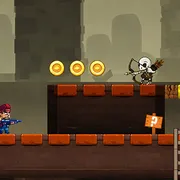
Rambo legend Game

Duck Dash Pro
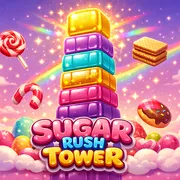
Sugar Rush Tower

Fruit Merge Arena

Bamboo Panda
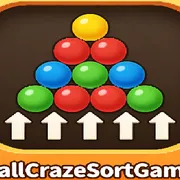
BallCrazeSortGame
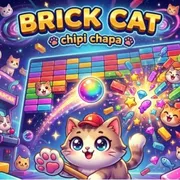
Brick Cat chipi chapa
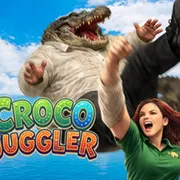
CROCO JUGGLER
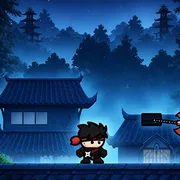
Ninja Warrior Game
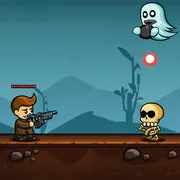
Monster Man Rush
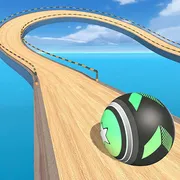
Going Rolling Ball
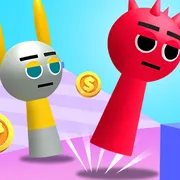
Sprunki Pyramixed Playtime
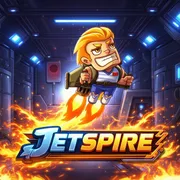
Jetspire
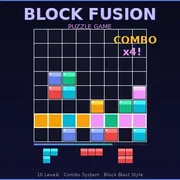
BLOCK FUSION
Hoppy Stacky
Forest Wing
Endless Path: Twist & Turn

Music Tile Game

Scary Joker Game

Jump Up 3D
Kiwi Adventure Game

Easy Easter Coloring Eggs

Friday Night Funkin PixelCrate

Stellar Pulse
Runettes
World Archery League
Toon Blast Puzzle
Box Brothers
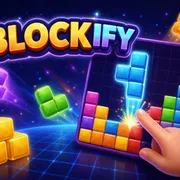
Blockify
Roof Rush 3D

Easter Match 3 Saga

Tap Basket

ULTIMATE CHESS
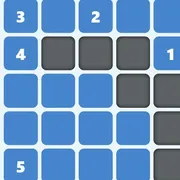
Ziply
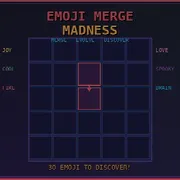
EMOJI MERGE MADNESS

Hospital Inc
Ruler Survival Game
Orbit Rush 3D
Bounce Blast

Ball Color Smash
Big Rolling Ball
Square Sling
Candy Merge Sort
No One Survives 1 minute
Stickman Blast Puzzle
Dream Head Soccer Game
Flippy Hero Jump Game
Hyper Wave Trial
Find Number Biggest and Smallest

Comparing Numbers? – Quick Math Game
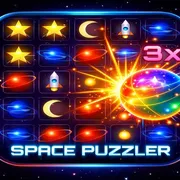
SpacePuzzler
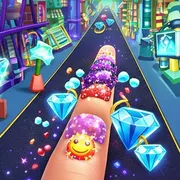
Nail Stack Run Challenge
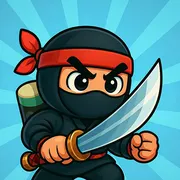
Ninja Jump fighting

Arrow Escape Puzzle
Crown Crusher
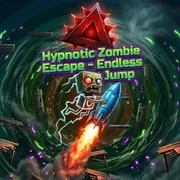
Hypnotic Zombie Escape Endless Jump
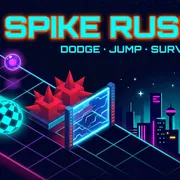
Spike Rush
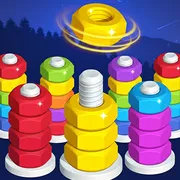
Nuts Color Sorting Game

Arrow Swipe Game
Game of Goose-2

Boom Chain

Wild Island Quest

Shoe Outlet
Dead Jungle Game

Emoji Sliding Down

Gem Legends
Twisted Snakes Brain Puzzle

Bullet Man Master 3D
Minecraft Flappy Creeper
Numeral Crawl Easy

Ball Sort 2D
Cube Rush 3D: Survive The Rush

Cloud Hopper
Space Rover
Morph Racers

Supermarket Empire
Ancient Caculate

Dont Break My Heart!
Toy Box Blast

Traffic.io Control

Sport Sort Puzzle

Super Ducks World
Cube blocks Game
Watermeleon Drop Puzzle
Word Shards

Cute Craft Lab
FindTheDifferent

Tile Hill Descent
Rocket Fuel Tycoon
ChickZ Stack

Farm Animal Sort Puzzle

Police Here

Ayla World Avatar City
Magic Jewels Castle

Pop Frenzy Cannon Blast
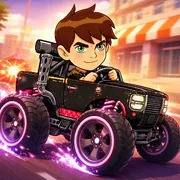
Ben Car Adventure
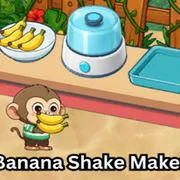
Jungle Mart

Gear Race Car Game
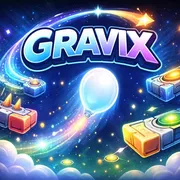
Gravix
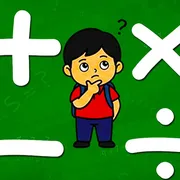
Solve or Suffer
Poop Away
Crosswalk Chaos
PIXEL DRIFT RETRO TETRIS
Color Pop Mania
Brain Train Puzzle Game

Superhero Nails Makeover

Anti Stress Planet Games

Mazes Draw The Path
Word Up Challenge
Roll or Fall

SPLIT

Light House Save the Ship
Squid Survival Run Challenge
Hopnova

Restaurant Rush
Stickman Blast
Escape Waves for Lucky Blocks
Number Slide
Find the Missing Number
Drag n Drop: Word Match

Go Up Tap ZigZag Box Challenge
Merge Tower Defense

Drop Merge Fruit Characters

Day Care Simulator

UniPairs

Idle City
People Drop Away Game

One Line Dot Game
Tile Match Puzzle Game
Crazy Neon Square Rush
CHROMASPIN

Archery Master Bow and Arrow
Neon Switch
Geometry Dash Cube Adventure
Ball Throw Heroes 3D
Car Move Game
Pixel Smash Ball
Digit Doom
Mythiq

LOL Football Funny Face
Tic Tac Toe Match Three
Run Mario Run
Ricochet Arena

Dessert DIY
PairScape
Finsemble
MINI STADIUM
Urban Riot Blaster

How High
Hero Jump City Nights
Swipe Box Physics Arcade Game
Running From A Hungry Tiger

Gliding over Dunes
Tilt It Addictive Arcade Skill Game

Water Ball Sorting Puzzle

Bridge Cleaner Runner Game
Antistress relaxation toys

Blush Fashion Girl Room

Fill The Glass With Juice
Soccer Duel
Daily Street Racing 3D
Color Screw 3D
Voxel Crusher

Spikes Everywhere Game

Prism Pulse
Geometry Dash Stars
Gaint Run Color Switch

Circle Dash Ball Game
Hexa Color Stack Game
Find Pair: Attention Memory

Candy Maker Game

Blob Merge
Fruit Drop
Amusement Park Tycoon Game
Trace: Learn

Girl Money Rush Game
True or False Game 26

Dream Kitchen
Sugar Rusher
Snake to Eat

My Talking Sprunki
Mega Casino Mania

Frost: Fashion
DiceCraft
Cars vs Zombies

Arrow Rope Maze

Real Estate Kids
Poppy And Glamrock Merge

FumeBurst
Bounce Heroes
Boxhead Highway Runner Game

JiggleSaw

Power Water Clean Rush
Dora Puzzle Challenge
Hail Control

Logic Vault

THE KULKA
Fruit Sword
Magic Dot Rush

Ladder Rush: Build Race
Cartoon Mahjong
NEON JUMPER

Miner Rush Game
Power Shift Arena
Touch Candy

Funny Celebrity Face Moments
Pinball: Cube Crusher
Jungle Runner Animal Dash
Jelly Shift Shape Control
Gun Mob: Stickman Run
Dinosaur Bone Game
Fire Balls Shoot 3D

Ben 5 Difference
Ball Chain Blast
Block Party Blast

Blocks and Car

Pizza Craft Game

Sorting Nuts Puzzle Game

Match Colors Game
Dice Helix Drop
Jelly Cube Adventure
Zen Jigsaw Master
Short Path Race
Brick Breaker Puzzle Game

New Mahjong 2026
The Garbaggio Hotel
My Ball Escape

Stop The Lock

Makeup Match Memory Beauty
PigCatch

KittyMatch
Jumpster
Cannon Defenses
Obby: Chop Trees in the Forest
Stacky Maze Game
Fast Food Cooking

Fun Jigsaw Puzzle

Bubble Shooter Challenge
Cube Merge Game
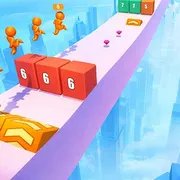
Cube Minion Rush
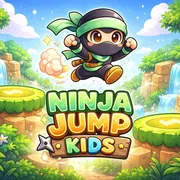
Ninja Jump Kids
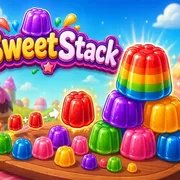
SweetStack
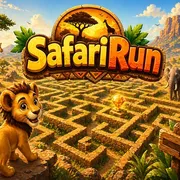
SafariRun

African Animals: Jigsaw Puzzles
Dreamy Blast Puzzle

Fun memory

Candy Crunch: Sugar Escape

SnowBoard Game
Stickman Shooting Survival

Endless Golf
Dirt Bikes Rally
Match Dot Puzzle Game
Sonic Speed Run
Tatu Bounce
berry bury berry
Velocity Breaker

Ice Pet Match
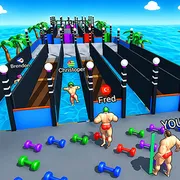
Muscle Race Game
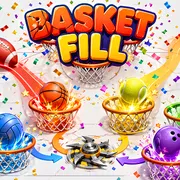
Basket Fill : Ball Puzzle

Racing Cars Puzzle Time
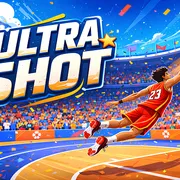
Ultra Shot
Free Fall Game

Total sweep
Police Chase Car Simulator

Rotate Ring Game
Skibidi in Backroom Hunter 2D

TastyFarm
Bank Robbery Sneak Master

Tractor Farming Simulation 3D

QuickSolve

Color Circle

Ice Cream ASMR DIY Games

Perfect Jump Puzzle Game

Doll Dress up Game

Weight Adjust Game

Tiles Layer
Ice Blast Buddies
Sweet Merge Puzzle

GermAway

Knife Hit Challenege Game
Fall Ball Idle
Last Train Escape

Arrows Puzzle Escape
Idle Chop Miner
Escape Tsunami for Brainrots

Reckless Getaway 2: Car Chase
PinBall Block Shooter
Hexa Tiles Puzzle Game
Dark Sector
Picture and Word Match

Color Path Game
Block Master: Polygonal Puzzle

Auric Core

AtomLinker
DriftSea

GraveSky

Tiny Dolls Dream World
Hammer Strike: Destruction Zone

Never Fall
Desert Rover Survival
Rich Choice Run
Surprise Blume Doll Unbox
Harbor Breakout

Stickman Stack Race
Halo Run

Stack Ball Run 3D
Find n Match
Bounce Ball Ring Challenge
Crossy Zombie Game
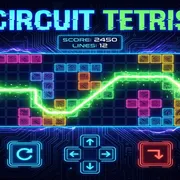
Circuit Tetris
Airplane Battle9

1LINE One Line with Only One Touch

Chain n Gain

Click to Control Chaos
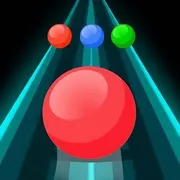
Color Ball Rush
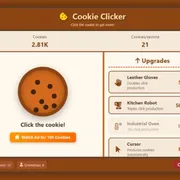
Coookie Clicker

Gorilla Monster Fight
Arrow Patrol

Foot Doctor Hospital Game
GapGlide

ASMR Image Match Puzzle
Crystal Cave Sort

Word Mosaic
Hex Merge Puzzle
Colors Matching
Pass the Gate
SwiftSlow

UNRAVEL
Fish Aquarium Game

Flap Up Game
FallFur
Sudoku Puzzle Master

Shadow Escape
Candy Crush Blast

Fill Line : one line puzzle game
Cookie Party Pop
Minecraft Hole IO
Hidden Aquatic

Frozen Princess Puzzle
World Tour

Chill Tic Tac Toe

Makeup Run Challenge

SkyAtoms
Street Mayhem Driver

Luggage Collect Game

Roll Dice Mob Control
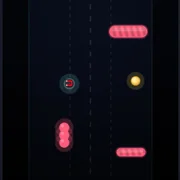
Stack Ball Run
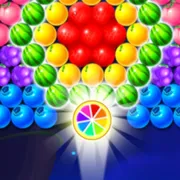
Pop the Fruits
Jingle Drop Challenge
Domino Smashfall
Bubbla Boing

Dandys World Memory

Rabbit Portal
Easy Coloring Spongy Adventure
Hurdle Hero
Bendy Circle
Crazy Fall Rush 3D

SapotaGo
Edge of Survival
Bead Mosaic Fun

Cargo Captain
Block Push Game
Cut It All Challenge!
SushiBoom

Farm Vegetable Link
Find The Fun!
Fun Arrow Fall
Matching Pair Puzzle
Mr. Bean Hidden Stars
Safe Box Crack
Little Rodeo Fun
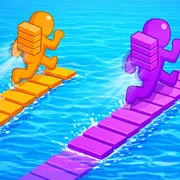
Bridge Race 3D

Brain Test: IQ Challenge
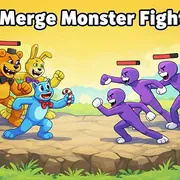
Merge Monster Fight
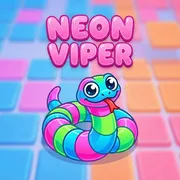
Neon Viper

Sweet Bite Idle Game
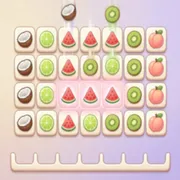
Tiles: Collect 3 fruits
WORD SHUFFLE
MakeOver Glow Up Match
Style Star Match
Mahjong Puzzle Game
Happy Bucket Challenge
Blocky Hill Tower Game

Car Crossey Bridge Game
Funny Crazy Watermelon
Logic Pro – Neon Edition

Alien Memory
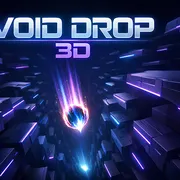
Void Drop 3D
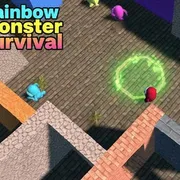
Rainbow Monster Survival

Pet Doctor Caring Game
Trivia Mind Game
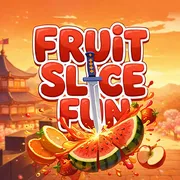
Fruit Slicer Fun
BTS Minecraft Coloring Time

Goods Triple Sort
Football Puzzle Goal

Music Battle Game

Animal Daycare Game

Cartoon Airplanes: Jigsaw Puzzles

Arrow JamEscape
Stick Roll Arena
Crazy Drone Pizza Delivery
Run Pet Surfer
Minesweeper: Find Bombs
Niche Shift
Tung Sahur Tycoon + Obby
Deep Digger Tycoon
2048 Shoot Merge Number 3D
Zombie World Survival
Hypercasual games are the ultimate pick-up-and-play experience — games so simple you understand them in seconds, so addictive you play them for hours. With one-tap controls, instant starts, and endlessly satisfying gameplay loops, hypercasual games are designed for everyone: gamers, non-gamers, kids, adults, and anyone with a browser and 30 seconds to spare. Play coreball for 200+ free hypercasual games you can launch instantly — no downloads, no sign-ups, no learning curve. Compulsive tappers should also crawl through our idle clicker games and our free arcade games — same dopamine, different shell.
What Are Hypercasual Games?
Hypercasual games are a genre defined by extreme simplicity, instant accessibility, and short session loops. The term emerged in the mobile gaming industry around 2017 to describe games that strip every mechanic down to its absolute minimum — one or two inputs, one clear objective, zero tutorial needed. You see the game, you understand the game, you play the game. The entire experience from "what is this?" to "I'm playing" takes under five seconds.
What separates hypercasual from simply "casual" is the degree of minimalism. Casual games (like match-three puzzles or restaurant management) have progression systems, unlockables, and mechanics that take a few minutes to learn. Hypercasual games have none of that. There is no account, no save file, no tutorial, no story, no leveling system. There is just the core mechanic — tap to jump, swipe to dodge, hold to grow, release to launch — and the score that measures how well you executed it.
This radical simplicity is not a limitation — it is the entire design philosophy. By removing everything except the core interaction, hypercasual games achieve a purity of gameplay that more complex games cannot match. Every moment is spent doing the one thing the game does, and that one thing is tuned to perfection.
Types of Hypercasual Games
Timing and Tap Games
The most common format: tap at the right moment to succeed. Jump over obstacles, land on platforms, navigate gaps, or time a throw. The mechanic is a single tap and the challenge is pure timing — too early, too late, or just right. These games create a meditative rhythm once you lock into the timing pattern, making them surprisingly relaxing despite the reflex demands. Examples include ball-bouncing games, rhythm-tap games, and the classic "tap to flap" format pioneered by Flappy Bird.
Stacking and Balance Games
Stack objects as high as possible without toppling the tower. Each piece must be placed with precision — too far left or right and the stack becomes unstable. The satisfaction of building a tall, wobbling tower combined with the tension of each precarious placement creates a compelling "one more try" loop. Variants include stacking food items, building blocks, and balancing geometric shapes.
Swerve and Dodge Games
Hold to steer, release to go straight, and navigate through an endless obstacle course. These games test spatial judgment as gaps shrink and speeds increase. The Slope genre — where you control a ball rolling down a procedurally generated neon course — is a massively popular variant with hundreds of thousands of monthly searches. The escalating speed creates a natural difficulty curve where skill improvement is immediately tangible.
Grow and Collect Games
Start small and grow by collecting items or absorbing smaller objects. Your character, vehicle, or entity gets progressively larger as you pick up more, which opens up new areas and challenges. The satisfaction is visual and numerical — watching your tiny dot become an enormous entity dominating the screen. Agar.io-style growth games, snake-growth games, and collection runners all use this format.
Merge and Sort Games
Drag matching items together to create higher-level versions. Simple sorting challenges — separate items by color, stack them in order, fill containers correctly — provide low-pressure puzzle satisfaction. These games appeal to the human instinct for organization and categorization, creating a calming "tidying" experience.
Ragdoll Physics Games
Games where characters move with exaggerated, floppy physics — creating hilarious, unpredictable outcomes from simple inputs. Ragdoll games turn even basic actions (walking, climbing stairs, throwing objects) into comedic spectacles because the physics simulation produces absurd results. The humor comes from the contrast between what you intend and what actually happens.
Why Hypercasual Games Dominate Browser Gaming
| Factor | Why It Matters |
|---|---|
| Zero learning curve | Anyone understands the game immediately — no instructions, no tutorials, no prior gaming experience needed |
| Instant start | From clicking the game to playing takes under 3 seconds. No loading screens, no menus, no account creation |
| Short sessions | A single round takes 10-60 seconds. Perfect for breaks, waiting, or filling spare moments |
| Infinite replayability | Procedural generation and score-chasing mean no two runs are identical and there is always a higher score to reach |
| Universal appeal | Simple mechanics transcend age, language, and gaming experience barriers. A 5-year-old and a 50-year-old can both enjoy the same game |
| Low device requirements | Minimal graphics and simple logic mean hypercasual games run smoothly on any device, including old phones and Chromebooks |
The Psychology Behind "Just One More Try"
Hypercasual games are engineered — whether intentionally or through evolutionary design — to maximize replay impulse. Three mechanisms drive this:
- Near-miss effect: Dying just short of your high score creates a powerful "almost had it" feeling that demands an immediate retry. The closer you came to success, the stronger the urge to try again.
- Instant restart: The time between death and the next attempt is under two seconds. This eliminates the psychological off-ramp where players decide to stop. Continuing is effortless; stopping requires a conscious decision.
- Visible improvement: Your score is a concrete number. When it goes up, you have objectively improved. This visible skill progression feeds the fundamental human desire for mastery, creating intrinsic motivation to keep playing.
The Rise of Hypercasual: A Brief History
| Year | Milestone | Impact |
|---|---|---|
| 2013 | Flappy Bird launches | Proves that a one-button game with extreme difficulty can capture millions of players worldwide |
| 2015 | Crossy Road popularizes the format | Shows that hypercasual can be commercially successful with ad-supported free-to-play |
| 2017 | Voodoo and Ketchapp dominate app stores | Publishers prove the mass-production model: simple games, rapid iteration, massive audiences |
| 2018-2020 | Hypercasual becomes a billion-dollar category | The genre generates more downloads than any other mobile game category worldwide |
| 2020-Present | Browser hypercasual games thrive | HTML5 enables instant-play hypercasual in browsers, bringing the format to desktop and school audiences |
Hypercasual Games on Mobile vs Desktop
- Mobile is the natural home — hypercasual games were designed for touch. Tap, swipe, and hold controls feel native on touchscreens, and the short session format matches mobile usage patterns perfectly.
- Desktop works well too — click replaces tap, and some games actually benefit from the precision of a mouse click over a finger tap. Keyboard-based hypercasual games (spacebar to jump, arrow keys to steer) feel responsive and precise.
- Both platforms excel at the genre's core promise: instant access, simple controls, immediate fun.
Hypercasual Games at School
Hypercasual games are ideal for school breaks — they start instantly, rounds are 10-60 seconds, and they require no setup or commitment. The simple mechanics mean you can put the game down the moment break ends without losing progress. Many hypercasual titles are available on school-friendly gaming platforms. The cognitive benefits include reaction time improvement, hand-eye coordination development, and spatial reasoning practice — all exercised through gameplay that feels like pure fun rather than training.
Frequently Asked Questions About Hypercasual Games
What are hypercasual games?
Hypercasual games are ultra-simple browser games designed for instant play with one or two controls, no tutorial, and short session times. They prioritize accessibility and addictive gameplay loops over complexity. Examples include tap-to-jump games, dodge-and-swerve runners, stacking games, and grow-and-collect titles. The genre is defined by its minimalism — everything except the core mechanic is stripped away.
What is the difference between casual and hypercasual games?
Casual games (like match-three puzzles or restaurant sims) have progression systems, multiple mechanics, and sessions lasting 5-30 minutes. Hypercasual games have ONE mechanic, no progression beyond score, and sessions lasting 10-60 seconds. Casual games take a few minutes to learn; hypercasual games are understood in under 5 seconds. Both are accessible to non-gamers, but hypercasual takes simplicity to the extreme.
Are hypercasual games free?
Yes. All hypercasual games on Coreball are completely free to play in your browser with no downloads or account creation. The genre's business model is built entirely around free access with ad support.
Why are hypercasual games so addictive?
Three mechanisms: the near-miss effect (dying close to your high score demands a retry), instant restarts (under 2 seconds between death and next attempt removes the psychological off-ramp), and visible improvement (your score number proves you are getting better). These combine to create a "one more try" impulse that makes 30-second intentions become 30-minute sessions.
What are good hypercasual games for beginners?
Any hypercasual game is suitable for beginners by definition — the genre requires no prior gaming experience. Tap-to-jump games, simple dodge runners, and stacking games are the easiest starting points. If you can click a mouse or tap a screen, you can play any hypercasual game.
Do hypercasual games work on all devices?
Yes. Hypercasual games have minimal system requirements — simple graphics and basic game logic mean they run smoothly on any device with a web browser, including old smartphones, budget laptops, Chromebooks, and tablets. They are among the most universally compatible browser game categories.