
Free Puzzle Games Online — Sudoku, Tetris, Mahjong, Logic and Brain Teasers
Puzzle

Stunt Car Crash 3D
Alphabet Merge Challenge

Maritime Conflict

Tetromino Attack
Slime Sticky

Urban Traffic Commander Kids
Cats and Candies
Cat Tic Tac Toe

Merge Blocks

Kitty House Escapist
Trace Craft

Bubbles Blast
LongDog
Box Roller
Best Sweet Candy Shop
Solitaire: Card Master
Funny Puzzle: Cats

Liquid Sort Deluxe
Labubu Arrow Shooter

SPHERIX
Fruit Pop Fiesta
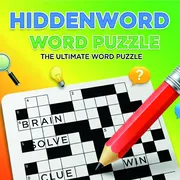
Hidden Word Puzzle
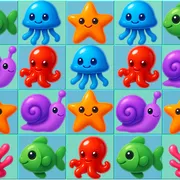
Underwater Blast
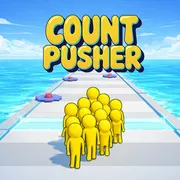
Count Master Rush
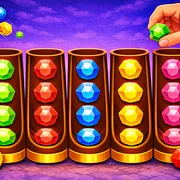
Gem Sort Puzzle
Labubu Hidden Burger
Crystal Craash
Animal Finding
Zen Orbs: Geometric Flow
INCOWORD
Word Connect Train Brain
Balloon Pop Addition 3D Game
Stress Relief Mini Games
Ant Pil
Water Sort Puzzle Master
Gem Drop
Sprunki Puzzle Time
Mathematic For Kids
Number Shoot Game
Travel Mahjong Deluxe

Stickman Leave Prison

Swipetown

Tank Stars Battle Arena

Vault Breaker

Wood Nuts Master: Screw Puzzle

Word Scramble - Family Tales
Happy Cat
Fatty Bird
Merges Numbers
Color Pixel Flow
Super Alien Rabbit
Get rich in
juicy crush saga
Cheese Tower
TechTiles
Cooking Alike
Color Connect 3D

Rolling Speed Ball
Long Neck Runner Game

Coin Master Runner
Neon Circuit

Mini Sky Helicopter

ZooLogic
Skill Driver Game
Rolling Ball Race
ATM Robbery Escape Game
Fruit Tower Drop
EraMind

Ball Break The Hoops
Finding Redpanda
Sugar Smash
Snake War Game

Color Snake Run
AIchessgame
Grid3
StickyConnect

Hover Shift Craft Racer
Word Search Universe Easter
All Dot Connect Puzzle Game
Color Bridge Builder Puzzle
Endless Space Pilot 2D
Feed My Monster
Hopping Boy
Rabbit Skater Game
DotAnimals
Rambo legend Game
Block Clash
Sugar Rush Tower
BallCrazeSortGame

Ninja Warrior Game
Monster Man Rush
Going Rolling Ball
Color Madness Spot the Differences
Unbolck me
MathTaless
BLOCK FUSION
SciWhy Easy
Pocket Stress Relief Games
Num Blast
Rock Slide
Hoppy Stacky

Cut Art Master
Robe Challenge
Endless Path: Twist & Turn
Seat Puzzle Cut The Rope

Music Tile Game

Jump Up 3D
Toon Blast Puzzle
Goods Sorting Shopping Master
Blockify

Easter Match 3 Saga
Ziply
EMOJI MERGE MADNESS

Cow Jam Farm puzzle

Ruler Survival Game

Ball Color Smash
Big Rolling Ball
Candy Merge Sort
SciWhy

Magic Water Sort: Color Puzzle
fours colors
Stickman Blast Puzzle
Trump the Ragdoll
Find Number Biggest and Smallest
Comparing Numbers? – Quick Math Game
SpacePuzzler
Jelly merge 2026

Arrow Escape Puzzle
BLOKKU
Torn Pieces
Nuts Color Sorting Game

Arrow Swipe Game
Game of Goose-2
Slime Jelly Bouncer

Emoji Sliding Down
Gem Legends
Twisted Snakes Brain Puzzle

Bullet Man Master 3D
Numeral Crawl Easy
Ball Sort 2D

Goods Sort

Cloud Hopper

blocks of color
Ancient Caculate
Toy Box Blast

Traffic.io Control
Sport Sort Puzzle
Sweets Merge
Worm Stack
Stamp It Puzzle game
Cube blocks Game
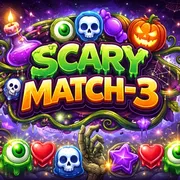
Scary Match 3
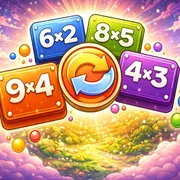
ReNumber Kids
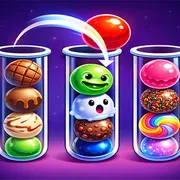
Ball Sort Game
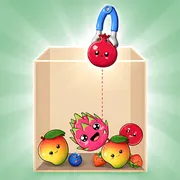
Watermeleon Drop Puzzle
Word Shards
Tetricon Minimalism
FindTheDifferent

Tile Hill Descent
Triple Combo
Farm Animal Sort Puzzle
Goods Sorting Shopping Master 2
Police Here
Fast Decode

Gear Race Car Game

Chinese And Asian Cooking Game

Stellar Connections
Spatial puzzle

GeoSmarty
Merge Factory Idle
Solve or Suffer
Sand Blocks: Clear the Lines

Poop Away
Crosswalk Chaos
Color Pop Mania
Brain Train Puzzle Game
Emoji Merge: Pop Frenzy
Anti Stress Planet Games
Word Safari

Pixel Flow 2
Onet Puzzle

Mazes Draw The Path
The Last 15 Minutes
Word Up Challenge

SPLIT

Ball Escape Puzzle

Spot The Difference Wild West

Cosmo Merge
Bridge Rush – Draw Bridge Puzzle Game
Block Blast Puzzle
The Block Escape
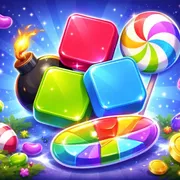
Blocks Match 3
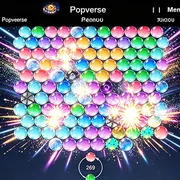
Popverse: Bubble Shooter

SlovoLom
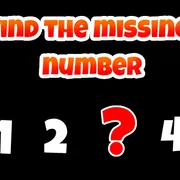
Find the Missing Number
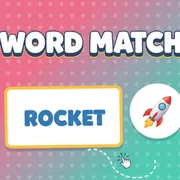
Drag n Drop: Word Match
Classic Solitaire Master
Drop Merge Fruit Characters

Water Sort Brain Puzzle
People Drop Away Game

One Line Dot Game
Tile Match Puzzle Game
Love Balls Game
Car Jam Escape
Spatial Inverse: Gravity Puzzle Adventure

LOL Football Funny Face
Tic Tac Toe Match Three
Mermaid Rescue
Tap Me
Labubu Tic Tac Toe
WonderGrid
Finsemble
ColorDock
Farm Fresh Fix
Turn on Bulb

Water Ball Sorting Puzzle

Fill The Glass With Juice
Color Screw 3D
Screw Out 3D: Relax Unwind

Spikes Everywhere Game
Arrowtix Train Your Brain
Nut Bolt Screw Puzzle Game

Circle Dash Ball Game
Hexa Color Stack Game
Find Pair: Attention Memory
Sport Cars Puzzle Challenge
Draw One Part Brain Puzzle
Zombies 4 Weapon Merge
Fruit Drop
Trace: Learn

Girl Money Rush Game
True or False Game 26
Ball and Maze
DiceCraft

Arrow Rope Maze
Poppy And Glamrock Merge

JiggleSaw

Power Water Clean Rush
Dora Puzzle Challenge

Logic Vault
Candy Super Pop
Fruit Sword
Merge Animals Defence
Solitaire World
Cartoon Mahjong
Touch Candy
Funny Celebrity Face Moments
Fuzzle Stacker
Jelly Shift Shape Control
Dinosaur Bone Game
Squirel Steps
Fire Balls Shoot 3D
Ben 5 Difference
Ball Chain Blast
Block Party Blast

Blocks and Car
Pizza Craft Game
Sorting Nuts Puzzle Game
Match Colors Game

Dice Helix Drop
Jelly Cube Adventure
Zen Jigsaw Master
Short Path Race

Bullet Guide Wick

Find the Kitten: Spot the Cat
Brick Breaker Puzzle Game
Ghost in the Dark
New Mahjong 2026
Quick Math

Bottle Flip Game

Gate Rusher 2 Game
Letter Boom Blast Rush
Stop The Lock
Makeup Match Memory Beauty
PigCatch

KittyMatch
Stacky Maze Game

Fun Jigsaw Puzzle
Bubble Shooter Challenge
Cube Merge Game
Cube Minion Rush

Joy Tiles Easy

CreamLink Kids
TideMatch
CropLink
SweetStack
SafariRun

Pet Clinic

African Animals: Jigsaw Puzzles
Dreamy Blast Puzzle

Fun memory
Parking Skill Game
Rescue The Princess
Candy Crunch: Sugar Escape
Puzzle Arc
Match Dot Puzzle Game
2048 Premium
Memory Master

Goal the Answer
Tatu Bounce
Word Search Universe 2
Danger Road Game

Water Sort Puzzle 3
Ice Pet Match
Muscle Race Game

Racing Cars Puzzle Time
Ninja Toy Match
Total sweep

Rotate Ring Game

Cat Doctor Save my Cat
Abyss Sweeper

TastyFarm
Italian Brainrot Drag Merge Puzzle
QuickSolve

Color Circle
Tile 2 Match
Spot Differences Bird Adventure

Master Hole Battle

Perfect Jump Puzzle Game

Weight Adjust Game
Minecraft Diamond Miner
The Best Memory
Springle Puzzle
Water Sort Puzzle Italian Brainrot

Tiles Layer
Ice Blast Buddies
Sweet Merge Puzzle
Camp Arrange
Spin Color

Knife Hit Challenege Game

Arrows Puzzle Escape
cute Animals Memory
PinBall Block Shooter
Hexa Tiles Puzzle Game
Picture and Word Match

Color Path Game
Block Master: Polygonal Puzzle
Quiz Runner.io
DriftSea

MindMatch

Car Modified Master
Sliding Puzzle
Mr. Bean 3D Jigsaw
Halo Run
Spectral Seek
Find n Match
Ball Dispensor Puzzle
Crossy Zombie Game
Circuit Tetris

Lil Cowboy:Treasure Hunt

1LINE One Line with Only One Touch
Chain n Gain

Hamada Yed7ak

Hunting Master
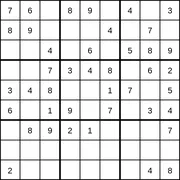
Sudoku for bro

Coloring Games: Color Paint
President 2048
Hedgehog Go Home

Foot Doctor Hospital Game
GapGlide

ASMR Image Match Puzzle
Crystal Cave Sort
Hexa Candy Match 3

Word Mosaic
Hex Merge Puzzle
Cosmic Hunt
Astro Playtime
SwiftSlow

UNRAVEL
Fish Aquarium Game
Flap Up Game
FallFur
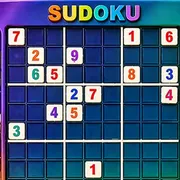
Sudoku Puzzle Master
Candy Crush Blast

Fill Line : one line puzzle game
Cookie Party Pop
Hidden Aquatic

Frozen Princess Puzzle

Luggage Collect Game

kpop hunter coloring
Math Speedrunner
Domino Smashfall
Challenge the zombies
Rainbow Monster Hideout 3D
Dandys World Memory
Bubble Pet Game
Easy Coloring Spongy Adventure

Pixel Flow
Bendy Circle
Brainrot Evolution Arena
Edge of Survival

Cargo Captain
Block Push Game
Cut It All Challenge!
SushiBoom
Farm Vegetable Link
Matching Pair Puzzle
Mr. Bean Hidden Stars
Garden Match Kids
Color Sort Impostor Edition
Tile Connect Pair Match Puzzle
Block 21
Brain Test: IQ Challenge
My Supermarket Simulator 3D
Italian Brainrot Quiz — Meme Mastery
Master Blender
Tomato Bounce
Tiles: Collect 3 fruits
WORD SHUFFLE
Stack Tide
Style Star Match
Tile Tumble Fun 4 in 1
Mahjong Puzzle Game
Happy Bucket Challenge

Car Crossey Bridge Game
Logic Pro – Neon Edition
BreakFast Cooking Game

Fashion Show: Makeup
Guess The Fruit World Quiz

Seaweed Aqua
Mr Tomato VS Zombies

Pet Doctor Caring Game
Trivia Mind Game
World Flags Pop
Goods Triple Sort
Nekomi Recuse

Music Battle Game

Animal Daycare Game

Cartoon Airplanes: Jigsaw Puzzles
Drag n Drop Games Color Match
Minesweeper: Find Bombs
Combo Crush
Niche Shift
Tung Sahur Tycoon + Obby
Aqua Logics puzzle new
Puzzle games challenge your brain rather than your reflexes — testing logic, spatial reasoning, pattern recognition, and creative problem-solving in ways that leave you measurably sharper after every session. From the timeless appeal of Sudoku and Tetris to physics-based brain teasers, 3D Mahjong, and word puzzles, the puzzle genre offers the deepest and most intellectually satisfying experiences in browser gaming. With research consistently showing that puzzle games improve working memory, processing speed, and cognitive flexibility, they are not just entertainment — they are a workout for your brain. Core ball hosts over 270 free puzzle games you can play instantly — no downloads, no sign-ups. When the brain workout gets too quiet, our play adventure games add story stakes and our hypercasual games online keep the streak alive on your phone.
What Are Puzzle Games?
Puzzle games are a genre where the primary challenge is mental rather than physical. Instead of testing reaction speed or hand-eye coordination, puzzle games test your ability to recognize patterns, apply logic, think in three dimensions, plan ahead, and find creative solutions to structured problems. The defining moment of every puzzle game is the "aha" — the instant when a confusing problem suddenly makes sense and the solution becomes clear. That moment of breakthrough is one of the most satisfying experiences in all of gaming, and it is why puzzle games have maintained massive popularity across every platform for over four decades.
The genre's pedigree is extraordinary. Tetris (1984) is one of the best-selling games of all time, with over 500 million copies sold across all platforms. Minesweeper shipped with every copy of Windows for two decades, making it one of the most-played games in history. Sudoku puzzles fill newspaper pages in virtually every country on earth. Wordle became a global cultural phenomenon in 2022, proving that a well-designed word puzzle can captivate millions simultaneously. Candy Crush demonstrated that match-three puzzles could generate billions in revenue. Puzzle games are not a niche — they are one of gaming's most universal and enduring categories.
In browser gaming, puzzles hold a special advantage: they require no fast inputs, no precise timing, and minimal processing power. A complex Sudoku runs as smoothly on a 10-year-old laptop as it does on a gaming PC. This universal compatibility, combined with the genre's broad appeal across all ages and demographics, makes puzzle games the most widely accessible browser gaming category.
Every Type of Puzzle Game Available Online
Logic and Number Puzzles
Sudoku is the gold standard: fill a 9x9 grid with digits 1-9 so that each row, column, and 3x3 box contains every digit exactly once. The rules are simple enough to explain in one sentence, but the solving techniques — naked pairs, hidden triples, X-wing patterns, swordfish chains — scale up to extraordinary complexity. Browser Sudoku implementations range from simple grid presentations to feature-rich versions with pencil marks, hint systems, and difficulty ratings.
Nonograms (also called Picross or Griddlers) use number clues along rows and columns to reveal a hidden picture when solved correctly. KenKen combines Sudoku-style grid logic with arithmetic operations. Logic grid puzzles present a set of clues and ask you to deduce relationships between elements through elimination. All of these share a common thread: the satisfaction of making a deduction that is provably correct, building toward a complete solution through pure reasoning.
Spatial and Block Puzzles
Tetris remains the defining example nearly 40 years after its creation: falling blocks must be rotated and placed to form complete rows, which clear from the board. The genius of Tetris is that it simultaneously tests spatial reasoning (rotating shapes mentally to find the best fit), planning (preparing positions for upcoming pieces), and pressure management (maintaining composure as the speed increases). Competitive Tetris — where two players race to clear lines while sending garbage blocks to each other — has become a legitimate esport with tournaments and professional players.
Block-fitting puzzles beyond Tetris include tangrams (arrange geometric shapes to form specific outlines), jigsaw puzzles (reconstruct images from interlocking pieces), block slider puzzles (move blocks within a constrained space to free a target block), and pentomino challenges (fit irregularly shaped pieces into rectangular grids). The spatial reasoning these games develop — mental rotation, spatial visualization, and geometric intuition — are the same abilities that predict success in STEM fields including engineering, architecture, surgery, and mathematics.
Word Puzzles
Crosswords combine vocabulary knowledge with logical deduction — intersecting words constrain each other, creating a web of interconnected clues that must all resolve consistently. Browser crosswords offer advantages over print versions: built-in checking, timer tracking, and access to puzzles of any difficulty level from beginner to expert. Word searches test visual scanning and pattern recognition. Anagram games challenge you to form words from scrambled letters under time pressure. Wordle-style games (guess a hidden word with color-coded feedback) combine vocabulary with deductive logic — each guess eliminates possibilities and narrows the solution space.
Physics Puzzles
Physics puzzles use realistic (or creatively unrealistic) physics as the puzzle mechanism. Cut ropes to swing objects into targets. Build bridges that must support the weight of crossing vehicles. Redirect flowing water through channels to fill containers. Stack objects to reach elevated goals. Launch projectiles at specific angles to hit targets. Physics puzzles combine spatial reasoning with intuitive understanding of gravity, momentum, friction, and material properties. The trial-and-error nature of physics puzzles encourages scientific thinking — form a hypothesis, test it, observe the result, adjust your approach.
Match and Sorting Puzzles
Match-three games (swap adjacent pieces to create lines of three or more identical items) are the most commercially successful puzzle format in gaming history, with Candy Crush and Bejeweled generating billions in revenue. The mechanic is immediately obvious — match colors — but strategic depth emerges from chain reactions, special piece combinations, and limited move counts. Bubble shooters (aim and fire colored bubbles to pop matching clusters) add an aiming skill layer. Color sorting games (pour liquids between tubes until each contains a single color) provide meditative satisfaction.
Mahjong and Tile Puzzles
Mahjong solitaire — matching and removing pairs of identical tiles from a layered arrangement — is one of the most popular browser puzzle games with nearly 10,000 monthly searches for "mahjong" variants. The game demands both pattern recognition (finding matching tiles among dozens of options) and strategic planning (which pairs to match first to avoid creating unmatchable dead ends). Mahjongg Dimensions wraps tiles around a rotating 3D cube, adding spatial reasoning to the pattern matching as you rotate the cube to reveal hidden tiles on different faces.
Maze and Pathfinding Puzzles
Navigate through mazes of varying complexity, find optimal routes through connected networks, or guide objects to destinations through obstacle-filled environments. Simple maze puzzles test spatial memory and route planning. Advanced versions add switches that alter the maze layout, teleporters that jump you between sections, movable walls that reshape the path, and multiple characters that must reach their destinations simultaneously. The progression from "find any path" to "find the optimal path" adds optimization thinking that mirrors real-world logistics and planning challenges.
Escape Room and Mystery Puzzles
You are trapped in a virtual room and must solve a series of interconnected puzzles to find the exit. Each puzzle yields a clue, key, or code that unlocks the next challenge. The puzzles are integrated into a narrative — the room tells a story through its objects, decorations, and hidden messages. Escape room games combine multiple puzzle types (logic, spatial, observation, code-breaking) into a cohesive experience where the meta-puzzle is understanding how individual solutions connect. The genre is directly inspired by physical escape room entertainment, translated into browser-playable format.
The Proven Cognitive Benefits of Puzzle Games
Puzzle games are the most scientifically validated game genre for cognitive benefits. Decades of research consistently demonstrate measurable improvements across multiple mental abilities.
| Cognitive Skill | How Puzzles Develop It | Research Evidence |
|---|---|---|
| Working memory | Holding multiple puzzle elements (numbers, positions, constraints) in mind while planning moves | Puzzle gamers score 15-20% higher on working memory assessments. Klingberg et al. showed working memory training through structured puzzles produces lasting improvements. |
| Spatial reasoning | Mentally rotating shapes (Tetris), navigating 3D structures (Mahjong Dimensions), visualizing spatial relationships | A University of Toronto study found 10 hours of Tetris play produced measurable improvements in mental rotation test scores. The gains persisted months after play stopped. |
| Processing speed | Time-pressured puzzles (Tetris, timed Sudoku) train faster cognitive processing without sacrificing accuracy | Brain training studies show speed-focused puzzles improve processing speed by 10-25% in older adults. |
| Pattern recognition | Identifying matching elements, recurring structures, logical sequences across all puzzle types | Regular puzzle play accelerates pattern detection speed and accuracy across visual and numerical domains. |
| Problem decomposition | Breaking complex puzzles into manageable sub-problems, solving components before assembling the whole | Transfers directly to mathematical and scientific problem-solving. Educators use puzzle-based approaches to teach computational thinking. |
| Cognitive flexibility | Switching between strategies when initial approaches fail, adapting to new puzzle parameters | Meta-analyses link regular puzzle engagement with reduced rate of age-related cognitive decline. The Lancet published findings showing puzzles are among the strongest protective factors against dementia. |
The History of Puzzle Games
| Year | Milestone | Impact |
|---|---|---|
| 1984 | Tetris created by Alexey Pajitnov | Defined the puzzle game genre. Became the best-selling game on Game Boy and one of the most-played games of all time. |
| 1989 | Minesweeper bundled with Windows | Introduced hundreds of millions of people to logic-based puzzle gaming through OS pre-installation. |
| 1994 | Theme Park and Lemmings | Expanded puzzle gaming beyond abstract grids into spatial and strategic problem-solving. |
| 2004 | Sudoku reaches Western newspapers | A puzzle format from 1979 becomes a global phenomenon, selling millions of puzzle books and launching digital versions. |
| 2007 | Portal (Valve) | Proved that puzzle games could deliver narrative depth and AAA production values alongside brain-teasing mechanics. |
| 2012 | Candy Crush Saga launches | Match-three puzzle format generates $1 billion+ revenue annually, proving puzzle games' massive commercial potential. |
| 2022 | Wordle goes viral | A simple word puzzle captivates millions globally, purchased by the New York Times for seven figures. |
Puzzle Games for Every Skill Level
| Skill Level | Best Puzzle Types | What Makes It Right | Recommended Starting Points |
|---|---|---|---|
| Beginner | Match-three, simple Mahjong, easy Sudoku, color sorting | Immediately understandable rules, gentle progression, visual feedback | Candy Crush-style matchers, basic Mahjong solitaire |
| Intermediate | Physics puzzles, word games, medium Sudoku, jigsaw, escape rooms | Requires planning and multi-step thinking, multiple valid approaches | Wordle-style games, physics brain teasers, 500-piece jigsaws |
| Advanced | Hard Sudoku, logic grids, complex physics, chess puzzles, Nonograms | Deep logical reasoning, multi-step deduction, no guesswork — pure logic | Expert Sudoku, logic grid puzzles, competitive Tetris |
| Expert | Extreme Sudoku variants, mathematical puzzles, programming challenges | Requires advanced problem-solving techniques, theoretical understanding | KenKen, cryptic crosswords, algorithmic puzzle games |
The Psychology of Puzzle Addiction: Why "Just One More" Works
Puzzle games generate a specific psychological engagement that explains their uniquely sticky nature.
The Zeigarnik Effect
Psychologist Bluma Zeigarnik demonstrated that unfinished tasks occupy more mental space than completed ones. When you are working on a puzzle and close the browser, your brain continues processing the unsolved problem in the background. This is why you often think of the solution while doing something unrelated — your subconscious was working on it the entire time. It is also why returning to an unfinished puzzle feels compulsive: your brain wants to resolve the open loop.
Incremental Revelation
Good puzzle games reveal information gradually. In Sudoku, each placed number constrains and reveals new possibilities. In crosswords, each solved clue provides letters for intersecting words. In escape rooms, each solved puzzle unlocks the next. This incremental revelation creates a snowball effect — the more you solve, the faster subsequent solutions come, creating an accelerating satisfaction curve that peaks at the moment of completion.
The Growth Mindset Feedback Loop
Puzzle games provide unambiguous evidence that you are getting smarter. Solving a Sudoku that would have stumped you a week ago demonstrates concrete cognitive improvement. This tangible proof of growth feeds a positive self-concept that motivates continued play. Unlike action games where improvement might be hard to quantify, puzzle games make cognitive growth undeniable.
Puzzle Games on Desktop vs Mobile
Mobile Excels for Puzzles
Puzzle games are arguably the best genre for mobile browsers. Touch controls are natural for puzzle interactions:
- Tap to place numbers (Sudoku), select tiles (Mahjong), or pop bubbles
- Drag to move pieces (jigsaw, block sliding), pour liquids, or draw paths
- Swipe to match items, navigate mazes, or scroll through options
The contemplative pace of puzzle games suits mobile usage perfectly. Play a Sudoku during a commute, a Mahjong game during lunch, or a few Wordle guesses while waiting. No twitch reflexes are needed, so the input limitations of touchscreens do not matter.
Desktop Advantages
- Larger screen: Important for complex puzzles with many elements — Mahjong layouts, large Sudoku grids, detailed jigsaw puzzles
- Mouse precision: Helpful for small tile selection in Mahjong, precise block placement in Tetris-style games
- Keyboard input: Typing numbers in Sudoku and letters in crosswords is faster with a physical keyboard
- Extended sessions: Multi-hour puzzle sessions are more comfortable on desktop
The Verdict
Puzzle games are the most platform-agnostic genre because they rely on thinking rather than input speed. Both platforms work well; choose based on whether you want portability (mobile) or visual comfort (desktop).
Puzzle Games at School
Puzzle games are the most educationally defensible browser game category. Their cognitive benefits are backed by decades of research, and many puzzle types align directly with academic skills:
- Sudoku and logic puzzles: Develop the same deductive reasoning used in mathematics and scientific method
- Word puzzles: Build vocabulary, spelling accuracy, and language pattern recognition
- Spatial puzzles (Tetris, tangrams): Improve the mental rotation abilities tested on standardized assessments and used in STEM careers
- Physics puzzles: Build intuitive understanding of forces, gravity, and material properties
- Pattern matching (Mahjong, match-three): Train visual processing speed and attention to detail
Many schools actively integrate puzzle games into learning — as warm-up activities, brain breaks between focused work periods, and supplementary practice for mathematical and linguistic skills. Educational gaming platforms feature extensive puzzle collections curated for classroom use.
Tips for Getting Better at Puzzle Games
- Start with the constraints. In any puzzle, identify what you KNOW first. In Sudoku, start with rows, columns, or boxes that have the most numbers filled. In crosswords, solve the clues you are most confident about. Building from certainty outward is more effective than guessing in uncertainty.
- Look for patterns, not solutions. Expert puzzle solvers do not try every possibility. They recognize patterns that eliminate possibilities. In Sudoku, a "naked pair" pattern can eliminate dozens of candidates at once. Train yourself to see these patterns rather than brute-forcing each cell individually.
- Take breaks when stuck. If you hit a wall, step away. The Zeigarnik Effect means your subconscious continues processing the problem. Solutions often become obvious when you return with fresh eyes — this is a legitimate cognitive strategy called "incubation," not laziness.
- Increase difficulty gradually. Solve 50 easy puzzles before attempting medium. Solve 50 medium before hard. Each difficulty level teaches techniques that become tools for the next level. Jumping to hard puzzles without building these tools leads to frustration rather than growth.
- Time yourself, but do not rush. Tracking solve times provides a concrete improvement metric without the need to sacrifice accuracy for speed. Your times will naturally improve as pattern recognition becomes faster. Rushing leads to errors that cost more time than the rushing saved.
- Try different puzzle types. Skills transfer between puzzle genres. Spatial reasoning from Tetris helps with Mahjong. Logic from Sudoku helps with crossword deduction. Pattern recognition from match-three improves Nonogram solving. A diverse puzzle diet develops broader cognitive abilities than specializing in one type.
Frequently Asked Questions About Puzzle Games
What are puzzle games?
Puzzle games are a genre that challenges mental skills — logic, spatial reasoning, pattern recognition, vocabulary, and creative problem-solving. Major types include Sudoku (number logic), Tetris (spatial blocks), Mahjong (tile matching), crosswords (word logic), physics puzzles (gravity and momentum), match-three (pattern matching), jigsaw (spatial reconstruction), and escape rooms (multi-puzzle narratives). They are among the most popular, universally appealing, and scientifically validated game genres.
Are puzzle games good for your brain?
Yes — this is one of the best-documented findings in gaming research. Studies published in Nature, The Lancet, and numerous cognitive science journals show that puzzle games improve working memory, spatial reasoning, processing speed, pattern recognition, and cognitive flexibility. Regular puzzle play is associated with better academic performance in students and reduced cognitive decline in older adults. The cognitive benefits are strongest for puzzles that challenge multiple mental skills simultaneously.
What are the best free puzzle games online?
Popular browser puzzle games include Sudoku (logic — thousands of difficulty-graded puzzles), Mahjong and Mahjongg Dimensions (tile matching in 2D and 3D), Tetris (spatial block-fitting under time pressure), match-three games (pattern matching and chain reactions), physics-based brain teasers (gravity and momentum puzzles), crosswords and word games (vocabulary and deduction), and escape room games (multi-puzzle narratives). Coreball hosts over 270 free puzzle games across all these types.
What is the difference between Sudoku and crosswords?
Sudoku is a number-logic puzzle — you deduce digit placement through elimination and constraint satisfaction. No language knowledge is needed; the skills are purely logical. Crosswords are word-logic puzzles — you combine vocabulary knowledge with deductive reasoning from intersecting letter patterns. Both develop logical thinking, but Sudoku exercises numerical/spatial reasoning while crosswords exercise linguistic/semantic reasoning.
Are puzzle games free to play?
Yes. All puzzle games on Coreball are free in your browser with no downloads or accounts required. The genre's lightweight technical requirements mean puzzle games load instantly and run smoothly on any device.
Can puzzle games help with learning?
Absolutely. Logic puzzles develop mathematical reasoning and deductive thinking. Word puzzles build vocabulary, spelling, and language processing speed. Spatial puzzles improve the mental rotation abilities tested in STEM assessments. Physics puzzles build scientific intuition. Escape room puzzles develop multi-step problem decomposition. Educators worldwide use puzzle games as supplementary learning tools because they make cognitive skill-building engaging, measurable, and intrinsically motivating.
What are the best puzzle games for beginners?
Start with match-three games (immediately understandable, satisfying chain reactions), easy Sudoku (introduces logic gradually), basic Mahjong solitaire (relaxing pattern matching), or color sorting puzzles (simple rules, meditative gameplay). These formats require no prior puzzle experience and teach fundamental pattern recognition and logical thinking skills that transfer to more complex puzzles.
Can I play puzzle games on my phone?
Puzzle games are ideally suited to mobile. Touch controls (tap, drag, swipe) are natural for puzzle interactions, and the contemplative pace means input precision is not critical. Play Sudoku during commutes, Mahjong at lunch, or word puzzles while waiting. Most browser puzzle games are fully optimized for touchscreen devices.
Why is Tetris still so popular after 40 years?
Tetris has endured because it achieves perfect design: the rules are learned in seconds (rotate and place falling blocks), the skill ceiling is effectively infinite (competitive Tetris players operate at superhuman speeds), and the difficulty curve is self-adjusting (the game speeds up as you improve, always matching challenge to skill). The spatial reasoning challenge is universal — it works across all ages, cultures, and gaming experience levels. No sequel, update, or redesign has improved on the original concept because the original was already perfect.